
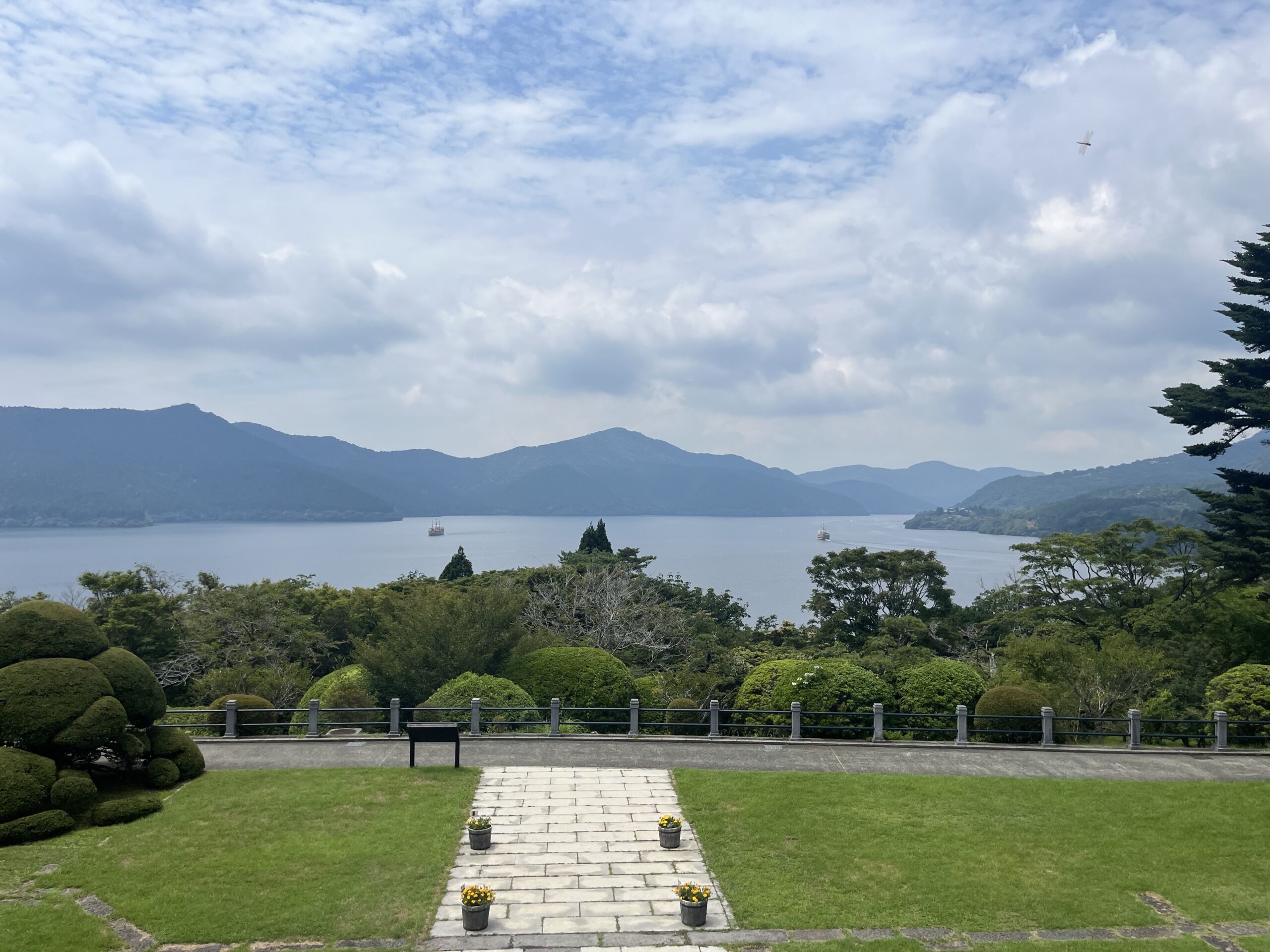
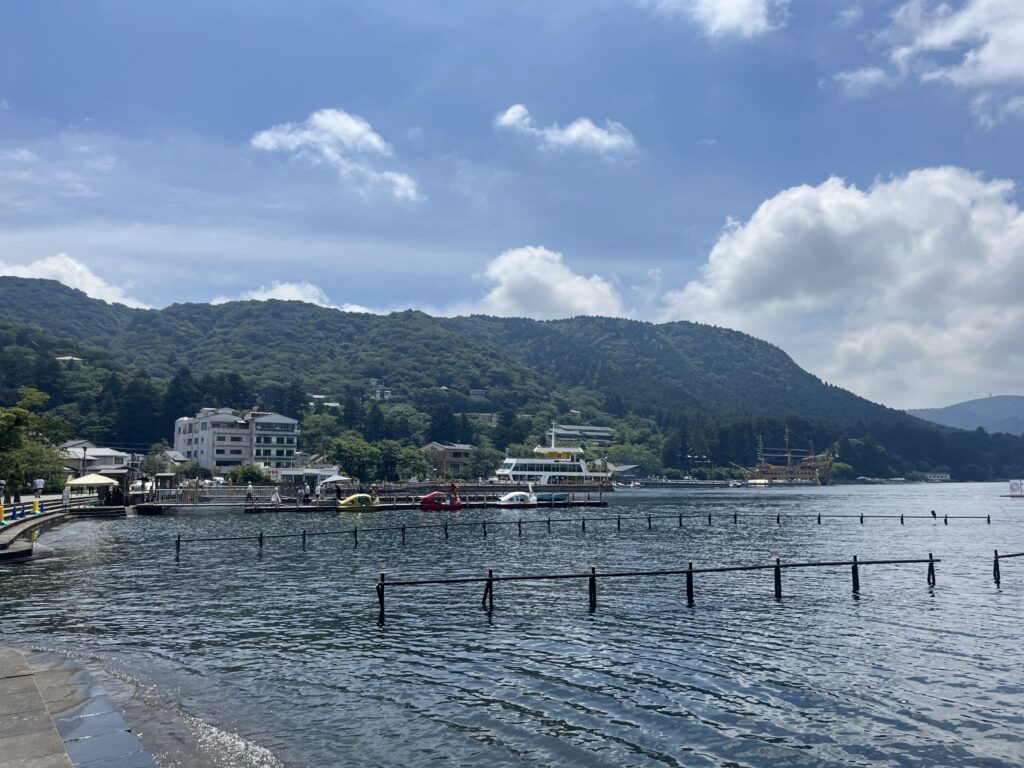
If a friend asked me what Hakone is like, I’d probably say it’s somewhere you go when you’ve had enough of the noise and crowds of the city and just want to slow down for a bit.
But it’s not just countryside with nice mountains.
There’s actually quite a lot to do. You’ve got Owakudani, Lake Ashi, Hakone Shrine, museums, local beer and plenty of good food. And then there’s the ryokan experience itself.
That’s probably what I like about Hakone.
You can spend part of the day sightseeing, then go back to your ryokan, have a good meal, get in the onsen and do absolutely nothing for the rest of the evening.
It’s somewhere you can enjoy both the travelling and the slowing down.
I’ve explored different parts of Hakone using mostly trains, buses and walking. This guide brings together what I’ve learnt from those trips and links to my more detailed guides if you want to dig deeper.
Is Hakone Worth Visiting?
I think so, especially if you’ve never been before.
Hakone gives you mountains, volcanic scenery, Lake Ashi, traditional ryokan and onsen without taking you somewhere so remote that there’s nothing else to do.
Yes, it’s touristy.
But that’s also part of why it works so well for a first trip outside Japan’s big cities.
If this will be your first visit, start with my Hakone guide for first-time visitors.
How Many Days Do You Need in Hakone?
For me, two nights and three days is the sweet spot.
A day trip is possible if you focus on only a few places, and one night is workable. But two nights means you don’t have to rush from attraction to attraction and can actually enjoy your accommodation as well.
If I had three days in the area, I’d also consider spending part of the final day around Odawara.
I’ve compared the options in more detail in How Many Days Do You Need in Hakone?
Where Should You Stay?
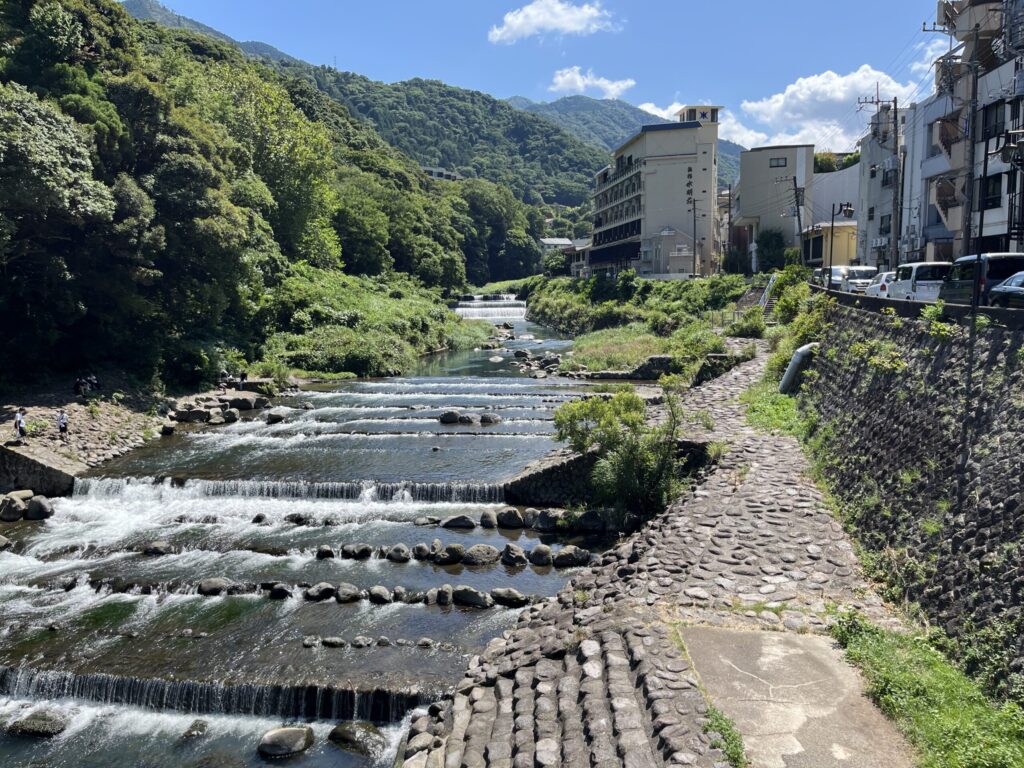
For a first visit, I’d choose Hakone-Yumoto.
There are restaurants and shops around the station, and it’s a convenient starting point for travelling further into Hakone.
It’s also worth exploring in its own right rather than simply changing transport and leaving.
What About Gora?
Gora is quieter and feels much more mountainous.
It can be a good choice if you want that atmosphere or plan to spend more of your time around central Hakone and Owakudani.
Just remember that some of those hills are seriously steep.
→ Read what I actually thought about staying in Gora
What Should You See in Hakone?
You don’t need to see everything.
For a first visit, these are the places I’d start with.
Owakudani
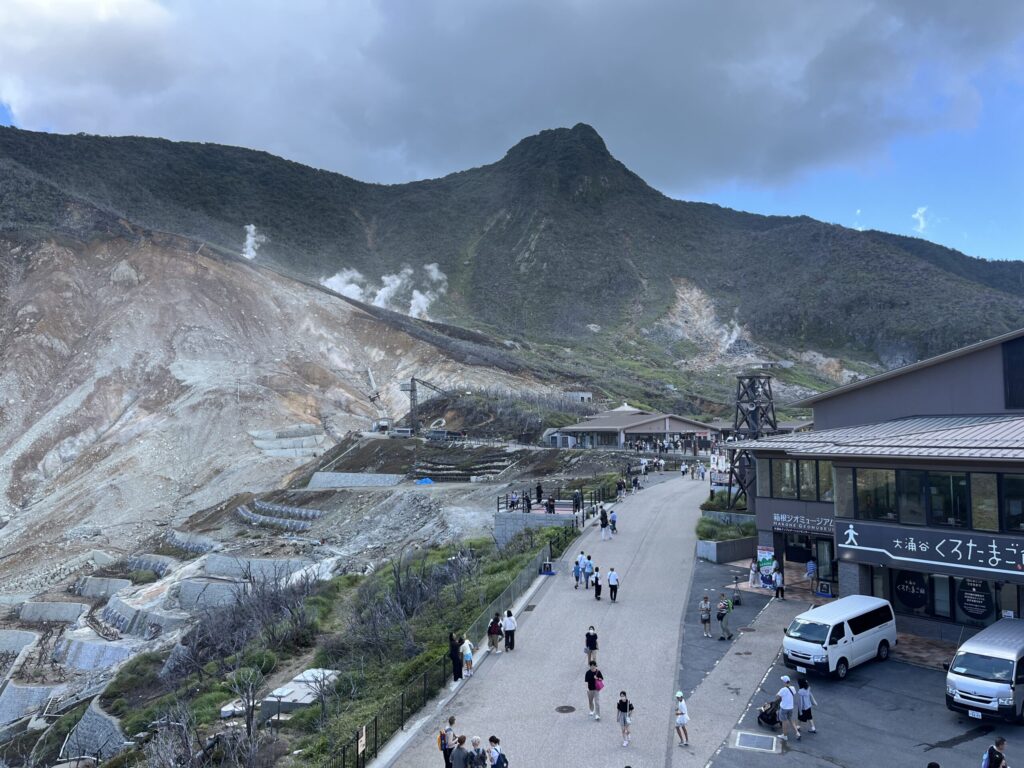
If it’s your first time in Hakone, I’d put Owakudani high on the list.
The volcanic landscape is unlike anywhere else I visited in Hakone, and this is also where you can try the famous black eggs.
Lake Ashi & Hakone Shrine
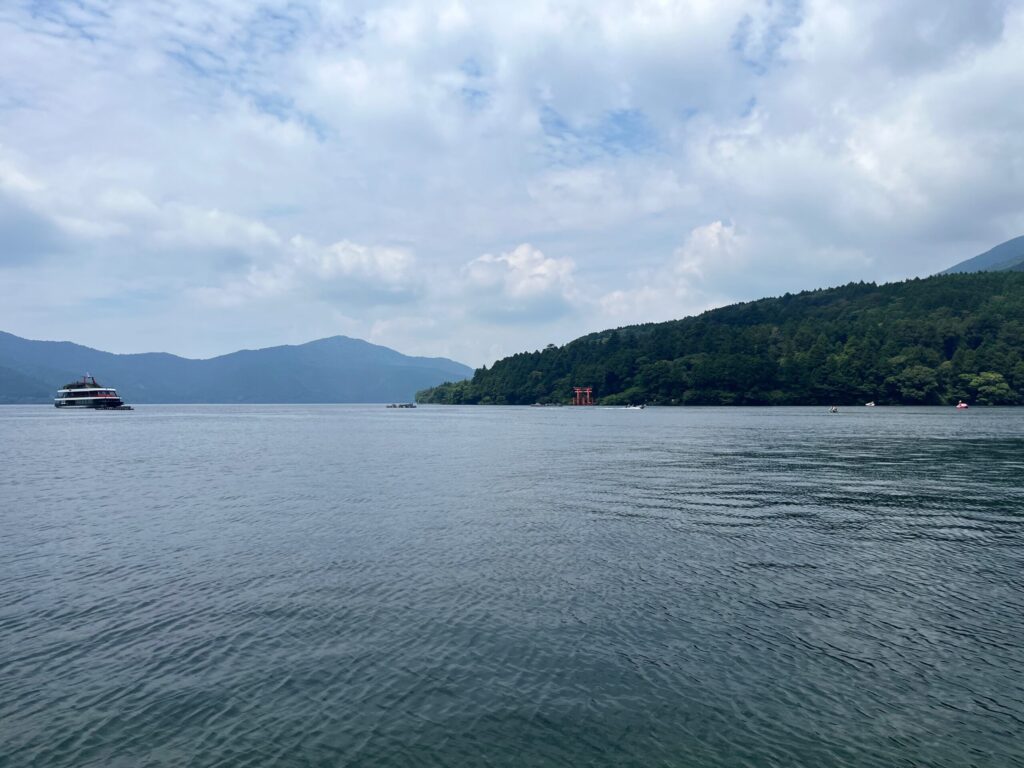
I’d combine these into one trip.
You get the lake, mountains, huge cedar trees and one of Hakone’s best-known shrines in the same area.
If the weather cooperates, you may even get Mt Fuji in the background.
It didn’t cooperate for me.
→ See my Hakone Shrine & Lake Ashi walking route
Hakone-Yumoto
Don’t treat Hakone-Yumoto as nothing more than the place where your train arrives.
I’d leave a few hours to wander around, eat something and enjoy the river and surrounding mountains.
→ See my Hakone-Yumoto food and walking guide
Hakone Open-Air Museum
If you like art, I’d consider adding the Open-Air Museum.
I’ve visited it myself and enjoyed it, but I wouldn’t call it essential for everyone. If art isn’t particularly your thing and time is limited, I’d prioritise Owakudani and the Lake Ashi area first.
Hakone Sekisho & Hakone Hachiri
This one depends on how interested you are in Japanese history.
I enjoyed it because learning about the old checkpoint made me think about how difficult crossing Hakone must have been during the Edo period.
But again, you don’t need to force it into your itinerary.
→ Read my Hakone Sekisho & Hakone Hachiri guide
Getting Around Hakone
You absolutely can explore Hakone without a car.
I’ve mainly used local buses, the Hakone Tozan Railway and walking, and Google Maps has generally been enough for me.
The main thing to remember is that Hakone is mountainous.
A short distance on the map doesn’t necessarily mean an easy walk.
→ Read my guide to getting around Hakone without a car
What Should You Eat?
I’m not going to give you a list of 20 “must-eat” foods.
These are simply things I’ve eaten myself and would recommend:
- Black eggs at Owakudani
- Yubadon in Hakone-Yumoto
- Tofu cutlet at Tamura Ginkatsutei in Gora
I’d happily eat the Honey Cheese Tart and Ikinari Dango in Hakone-Yumoto again too.
That’s enough food homework.
A Few Things I’d Know Before Going
Wear comfortable shoes. Hakone’s hills can make a short walk much harder than it looks on a map.
If you’re staying somewhere uphill with a large suitcase, check whether your accommodation offers a pick-up service. There’s also a baggage delivery service from Hakone-Yumoto Station to participating accommodation.
If you’re staying in Gora without dinner included, I’d work out where you’re eating before it gets late.
And if you need specific everyday items, I’d rather buy them around Odawara than assume I’ll find a large supermarket or drugstore once I’m deeper into Hakone.
Finally, the weather matters.
Hakone is at its best for me when the sun is out and you can really see how green the mountains are. Lake Ashi is also somewhere I’d particularly want to visit on a clear day.
I’ve seen Gora disappear into thick fog.
Same Hakone.
Very different experience.
Don’t Try to Complete Hakone
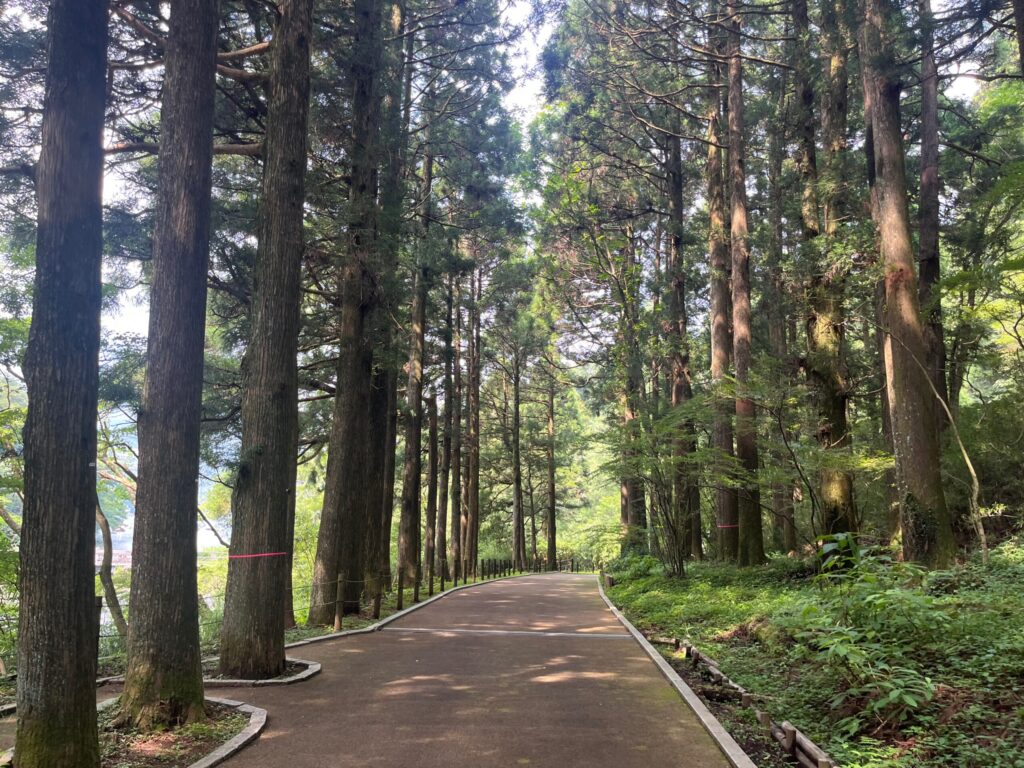
You don’t need every museum, every shrine, every viewpoint and every famous food squeezed into one trip.
Pick a few places you genuinely want to see.
Eat something good.
Stay somewhere you actually want to spend time.
And leave yourself enough room to do absolutely nothing for a while.
That’s part of Hakone too.
It’s somewhere you can enjoy both the travelling and the slowing down.