If you’ve never been to Hakone before, I think it’s worth going.
Yes, it’s touristy. But I don’t think that’s necessarily a bad thing.
Compared with Tokyo, Hakone gives you a completely different side of Japan: green mountains, Lake Ashi, volcanic scenery and traditional ryokan, without feeling so remote that there’s nothing to do.
If it were my first trip, I’d keep things simple.
Stay for two nights, base yourself in Hakone-Yumoto, and make Owakudani, Lake Ashi and Hakone Shrine your priorities.
Everything else depends on what you’re interested in.
My Three Priorities for a First Hakone Trip
If a friend asked me to choose just three things for their first visit, these would be my picks.
1. Owakudani
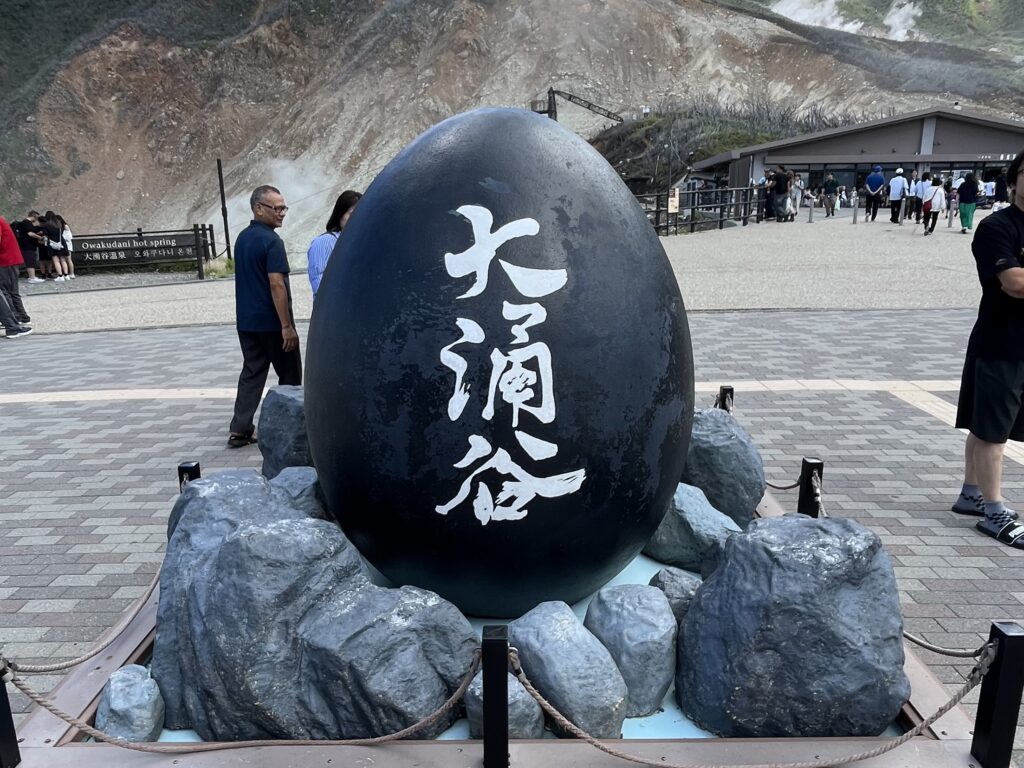
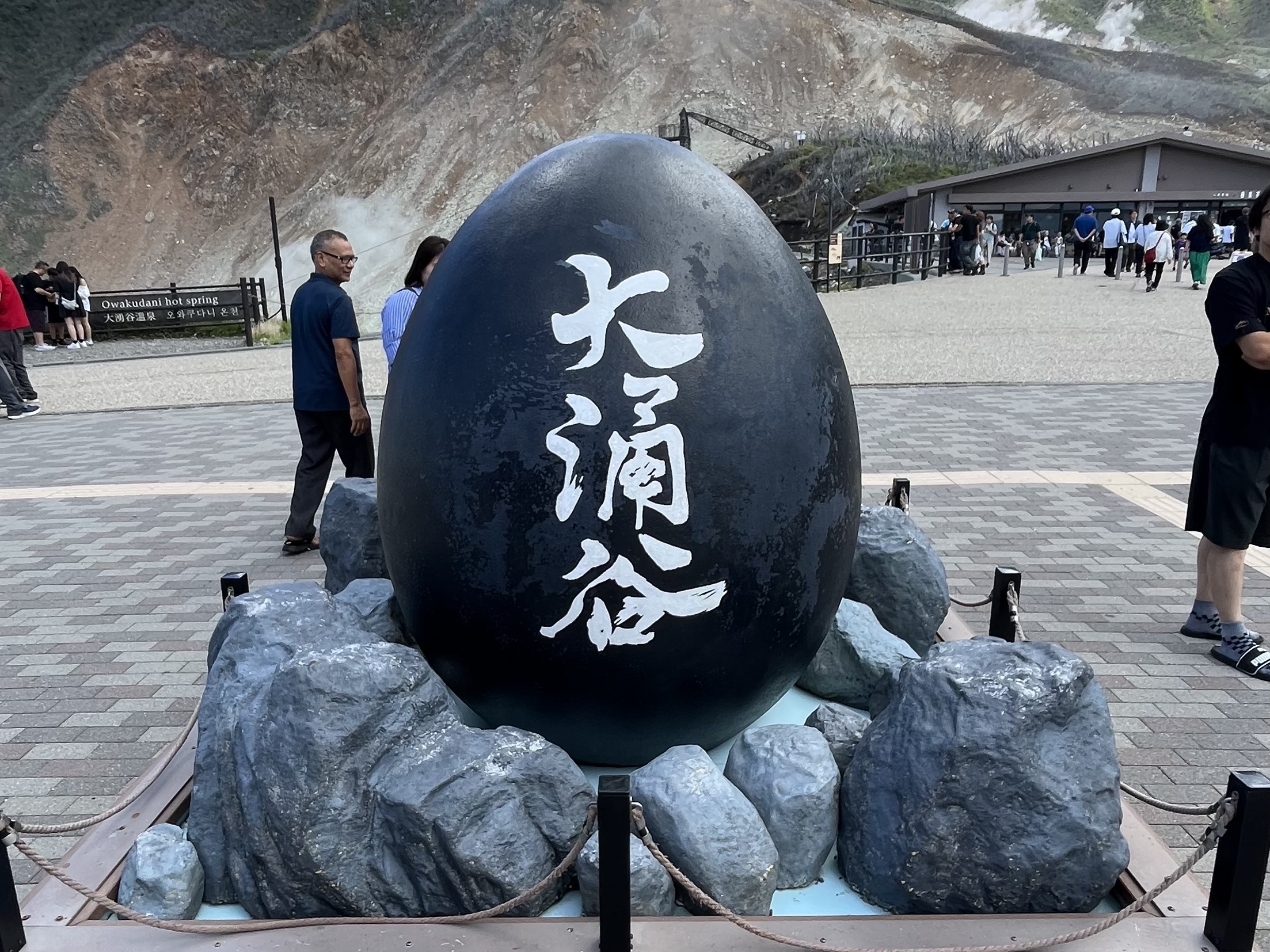
Owakudani gives you something completely different from the rest of Hakone.
The moment I got off the bus, I could smell the sulphur. The volcanic slopes were right in front of me, with steam rising from the ground.
It’s not actually a huge place. I spent about 90 minutes there including lunch, and once was probably enough for me.
But for a first visit?
I’d go.
And yes, eat a black egg while you’re there.
I’ve written separately about what Owakudani was actually like and whether I think it’s worth visiting.
2. Lake Ashi and Hakone Shrine
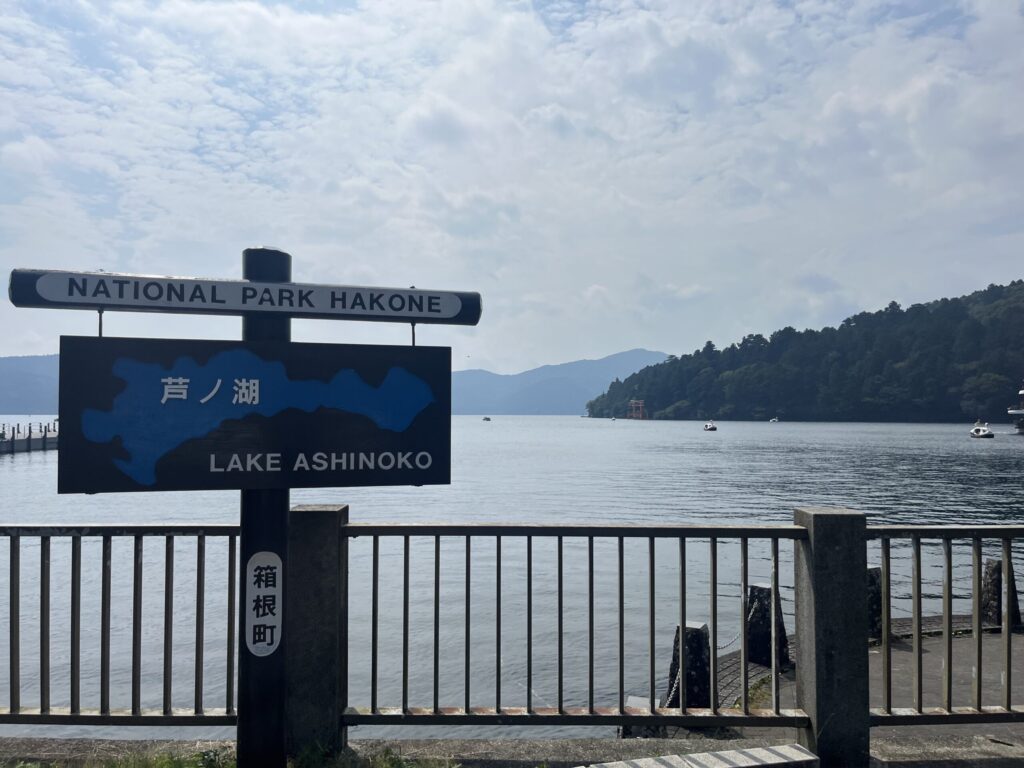
I’d treat Lake Ashi and Hakone Shrine as one part of the trip rather than two separate attractions.
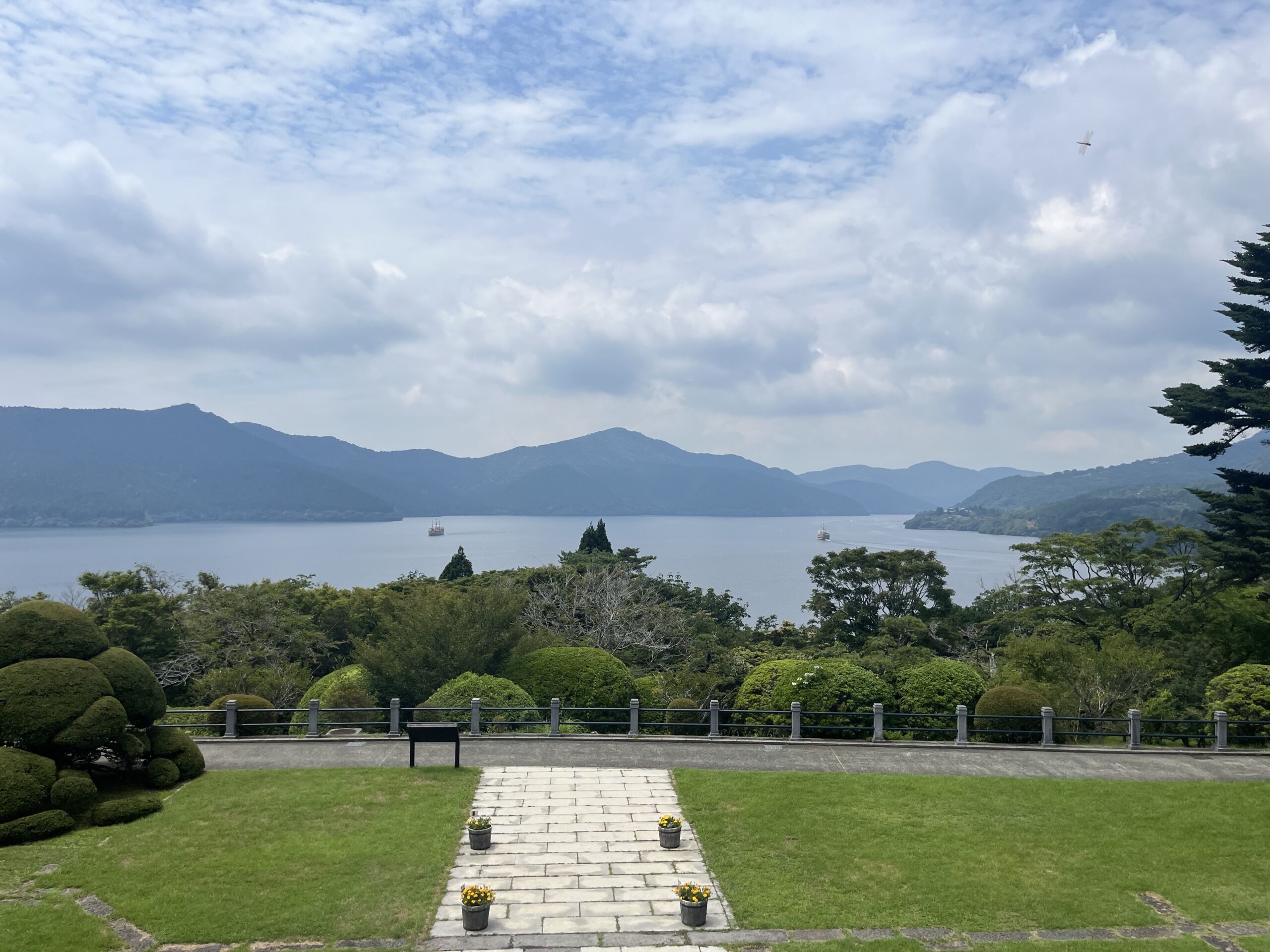
I started at Motohakone, visited Hakone Shrine, saw the famous torii by the lake and then continued walking along Lake Ashi.
The huge cedar trees around the shrine were one of the things I remember most. The shrine feels cool and solemn beneath them, while the lake opens everything up again once you come back out.
If the weather is clear, you may also get a view of Mt Fuji.
I didn’t. Clouds completely covered it when I went.
Still a lovely walk.
My full Hakone Shrine and Lake Ashi walking route includes the route and realistic timings.
3. Hakone-Yumoto

I’d also leave some time to simply wander around Hakone-Yumoto.
You don’t need an elaborate itinerary here.
Walk along the shopping street. Try a few things. Cross the Hayakawa River. Look back towards the mountains and the ryokan among the greenery.
I spent about three hours exploring the area including lunch, and that felt about right.
For me, Hakone-Yumoto is also where I’d stay on a first trip.
My Hakone-Yumoto guide covers what I ate, what the town is like and why I’d choose it over Gora for a first visit.
You Don’t Need to See Everything
This is probably the main thing I’d tell a friend.
Don’t turn Hakone into a checklist.
Hakone Sekisho was interesting to me because I like Japanese history. I also enjoyed seeing the Hakone Ekiden finish area because I grew up watching the race.
But if neither of those things interests you, I wouldn’t call them essential.
The Hakone Open-Air Museum is another example. I enjoyed visiting it, and if you like art, it’s an easy recommendation. But if you have limited time and art isn’t particularly your thing, I wouldn’t put it above Owakudani, Lake Ashi or Hakone Shrine.
The museum is also very easy to reach by train: its official access information puts it two minutes on foot from Chokoku-no-Mori Station.
Rather than squeezing everything into one day, I’d give Hakone more time and enjoy fewer places properly.
I’ve already put my 1-day, 1-night and 2-night Hakone plans into a separate article, so I won’t repeat the itinerary here.
Where Would I Stay on My First Trip?
Hakone-Yumoto.
Gora has things I really like: mountains, quiet evenings and convenient access towards Owakudani.
But the hills are no joke, restaurant choices feel more limited, and some hotels can involve a surprisingly tough uphill walk.
Hakone-Yumoto is easier for a first visit. You’ve got more food and shops around the station, and it’s straightforward to continue deeper into Hakone by train or bus.
That doesn’t make Gora a bad choice. It’s just a different kind of stay.
If you’re deciding between the two, I’ve written separately about what staying in Gora is actually like.
Wear Shoes You Can Actually Walk In
This sounds obvious until you see some of the hills in Hakone.
In summer, I understand the temptation to wear sandals.
Personally, I’d rather have comfortable shoes that I’ve already broken in.
Hakone is mountainous, and distance on Google Maps doesn’t always tell you how a walk is going to feel.
A hotel being ten minutes from a station sounds easy.
Ten minutes steeply uphill with a suitcase is a rather different ten minutes.
The same applies to getting around generally. I’ve managed perfectly well using trains, buses and walking without a car, but it’s worth remembering that you’re travelling through mountains.
Don’t Leave Dinner in Gora Until the Last Minute
If you’re staying in Gora without dinner included, I’d work out where you’re going to eat beforehand.
There are restaurants and izakaya around, so this isn’t a warning that you’ll go hungry.
I just wouldn’t arrive late, get hungry and assume you’ll have the same range of options you’d find around a major city station.
If your ryokan includes dinner, problem solved.
And if you need toiletries or other everyday essentials, I wouldn’t assume there’ll be a large supermarket or drugstore nearby once you’re deeper into Hakone. If you know you need something, picking it up around Odawara before heading into the mountains can save you some hassle.
Don’t Drag a Huge Suitcase Around If You Don’t Have To
I’ve watched visitors hauling suitcases up Gora’s slopes.
It doesn’t look fun.
If your accommodation is uphill from the nearest station, ask whether they offer a pick-up service before you arrive rather than assuming you’ll need to walk.
There’s also an official Hakone Baggage Service at Hakone-Yumoto Station. You can leave your luggage there and have it delivered to participating accommodation, then start sightseeing without dragging your suitcase around Hakone. The service also works in the opposite direction when you check out.
For a first-time visitor with a large suitcase, I’d seriously consider using it.
Good Weather Makes a Big Difference
Hakone is somewhere I’d much rather explore on a clear day.
When the sun is out, the green mountains are one of the best parts of being here.
Lake Ashi is also somewhere I’d particularly want good weather. On a clear day with good visibility, you have a chance of seeing Mt Fuji.
But mountains come with mountain weather.
I’ve seen Gora covered in thick fog, and visibility can deteriorate quickly. Rain and fog can hide much of the scenery you came to see.
If you’re driving, I’d be particularly careful in poor visibility. Even official local guidance notes that driving times can be significantly affected by weather and road conditions.
You can’t control the weather, obviously.
But if your itinerary has some flexibility, I’d save the most scenery-dependent parts for the clearest day.
Three Foods I’d Tell a Friend to Try
I’m not going to give you a huge “20 foods you must eat in Hakone” list.
These are simply three things I’ve eaten myself and would happily recommend.
Owakudani’s black eggs are the obvious one. They’re basically boiled eggs with black shells and a sulphur smell — and somehow that makes eating one beside a volcanic valley much more fun.
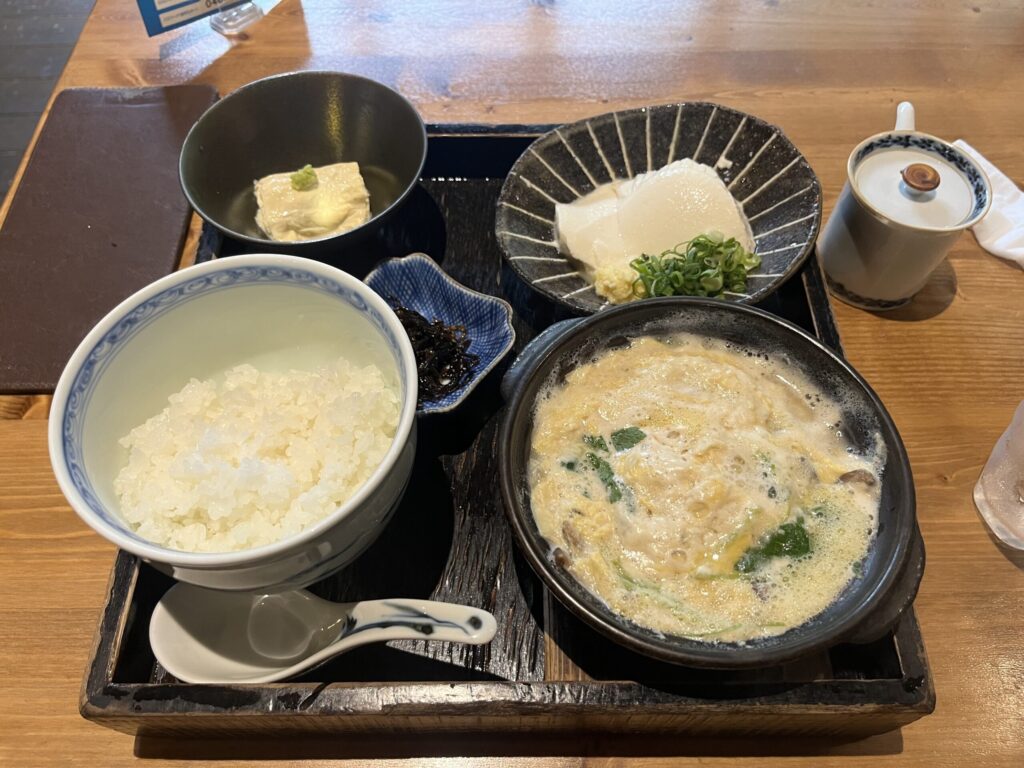
In Hakone-Yumoto, I’d have yubadon. I tried it at Yubadon Naokichi and thought it was well worth the wait.
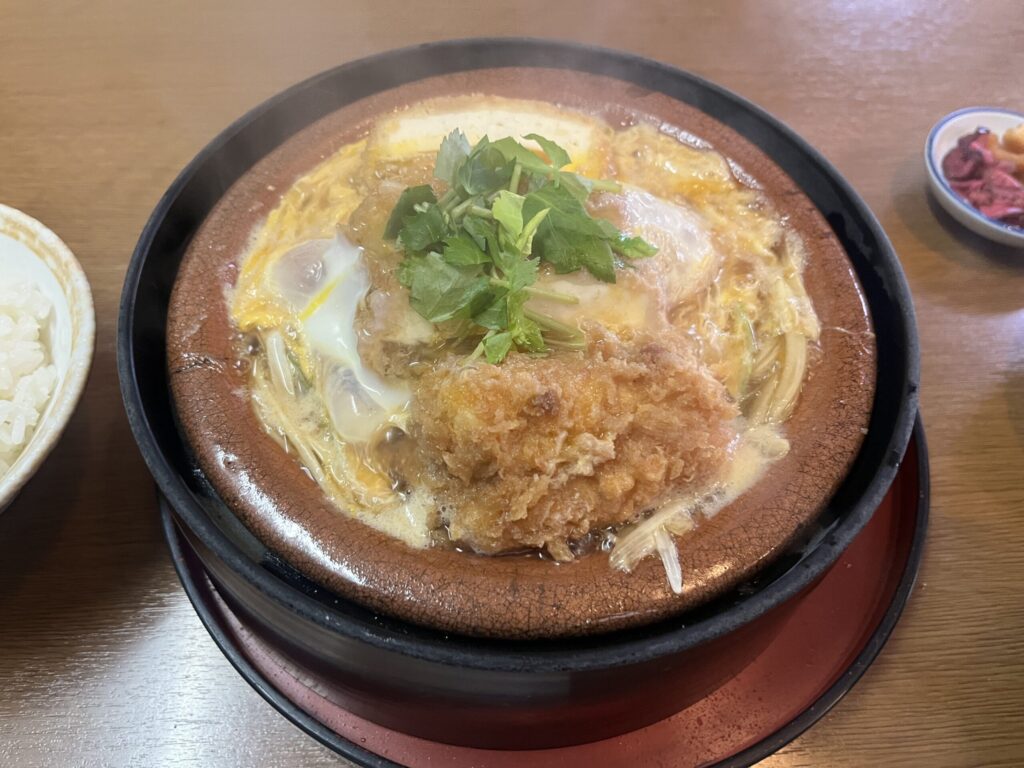
And in Gora, I’d add the tofu cutlet at Tamura Ginkatsutei.
That’s enough food homework for one trip.
So, Is Hakone Actually Worth Visiting?
I think so — especially if you’ve never been before.
Hakone is touristy. I’m not going to pretend otherwise.
But that’s partly why it works well as a first trip outside Japan’s big cities.
You can leave the intensity of Tokyo behind and suddenly find yourself surrounded by mountains, a huge lake and traditional ryokan without travelling somewhere so rural that sightseeing becomes difficult.
For me, that’s where Hakone gets the balance right.
It’s not untouched countryside.
It’s an easy way to experience a quieter, greener side of Japan.
If it were my first visit, I wouldn’t try to see everything.
I’d give myself two nights, eat well, walk a lot and focus on the places that actually interest me.
Hakone doesn’t need to be complicated.
For a broader overview of the area, see my complete Hakone travel guide.