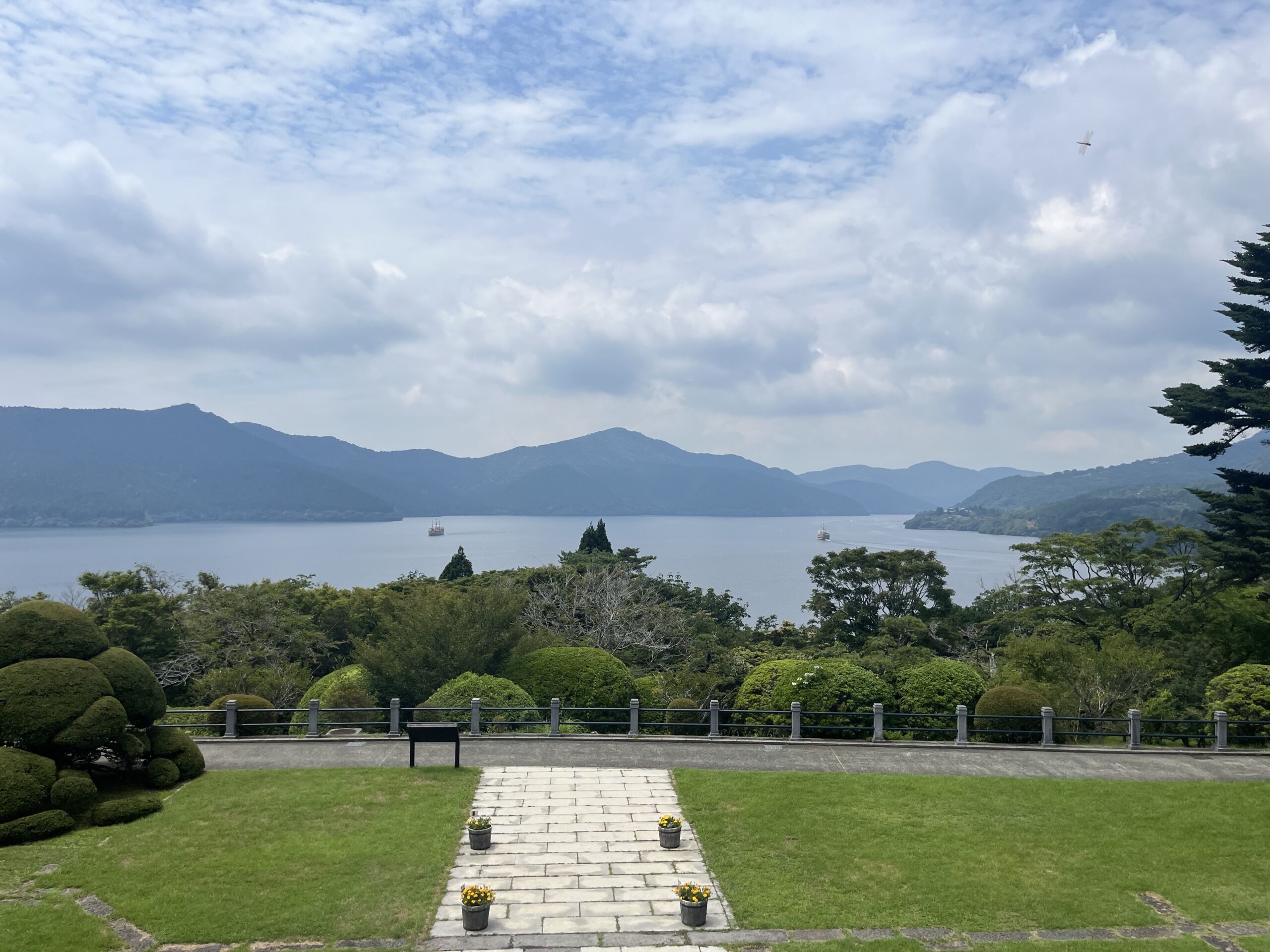

Before I came to Takayama, I barely knew where it was.
A few years earlier, I’d heard that Gifu was becoming popular with international travellers, particularly Takayama. People talked about the old streets, Hida beef and using the town as a base for Shirakawa-go.
I’d never been.
Then, after spending a year in New Zealand on a working holiday, I came back to Japan and found a front-desk job at a hotel in Takayama.
On the train there, watching the mountains outside the window, I started wondering whether I’d signed myself up for three months in the middle of nowhere.
I hadn’t.
There were supermarkets, restaurants, drugstores, izakaya and even a Starbucks within walking distance of the station.
What surprised me more was how calm the town felt despite having everything I needed.
I ended up spending three months there, walking the same streets again and again.
Somehow, I didn’t get bored of them.
So, What Is Takayama Actually Like?

Takayama is touristy, particularly around the old town.
But it never felt like a loud place to me.
There aren’t rows of tall buildings dominating the view. Instead, while walking around town, I’d regularly see the Miyagawa River, trees and mountains appearing between the streets.
That’s probably one of the reasons I enjoyed walking there so much.
I like exploring places on foot anyway, and Takayama made that easy. I’d head out with no particular plan, check Google Maps for a shrine, temple or restaurant that looked interesting, take a detour and eventually end up at a supermarket before going home.
Sometimes that was basically my whole afternoon.
What Should You See in Takayama?
You can cover many of the main sights on foot from Takayama Station. The city’s official sightseeing routes also connect places such as Hida Kokubunji, the morning markets, old town, Takayama Jinya and the Higashiyama area largely on foot.
These are the places I’d start with.
The Old Town

This is the obvious one.
I must have walked through the old streets dozens of times while I was living there.
What kept it interesting wasn’t that something dramatic happened every time. It was almost the opposite.
If I was hungry, I’d notice restaurants I’d ignored before. If I wanted sake, suddenly I was looking at breweries. A shop that had been closed the last time might be open.
I think that’s why I never really got bored of it.
The old town is one of the areas where Takayama’s historic merchant townscape has been preserved; the official tourism site describes traditional townhouses dating from the 17th to 19th centuries.
I’ll cover the experience of walking these streets properly in a separate guide rather than trying to squeeze it all in here.
Miyagawa Morning Market
The Miyagawa Morning Market runs along the river in central Takayama, with stalls selling things such as fruit, vegetables, pickles, sweets and crafts. It operates in the morning and closes around noon, so this is one place you shouldn’t leave until the afternoon.
I wasn’t much of an early-morning walker while I lived in Takayama, but I did go there specifically for the market.
What I liked more broadly was the walk along the Miyagawa itself. Looking upstream from the bridges, especially after snow, is one of the views I remember.
Takayama Jinya
I went into Takayama Jinya without really knowing what it was.
Then I learnt that it had been an administrative office after Hida came under direct control of the Tokugawa shogunate. The official Takayama tourism guide describes it as the only surviving site in Japan of this type of Edo-period government building.
That immediately made it more interesting to me because I used to work in a municipal government office myself.
I remember walking through rooms where officials once worked and received people, but the thing that really stuck in my head was much less profound.
The floor was freezing.
I visited in winter and walked around in my socks. My feet remember Takayama Jinya at least as well as my brain does.
Hida Kokubunji

Hida Kokubunji was the first kokubunji I’d actually visited after learning about them in Japanese history classes years earlier.
The grounds aren’t huge, but you’ve got the three-storey pagoda and a huge old ginkgo tree. The official tourism site dates the ginkgo at around 1,200 years old.
I visited in winter, and seeing the pagoda with snow around it was much more memorable to me than simply reading about its history.
I’ve written separately about Hida Kokubunji and what I found there.
Sakurayama Hachimangu & the Higashiyama Area
This is another part of Takayama I liked because it gave me an excuse to keep walking.
Sakurayama Hachimangu itself feels spacious and well kept, with the approach leading straight towards the shrine and tall trees behind it.
From around this side of town, I’d often continue towards the Higashiyama walking area rather than turning back.
The official walking route runs through a number of temples and shrines on the eastern side of Shiroyama before continuing towards Shiroyama Park.
If you enjoy walking more than ticking attractions off a list, this side of Takayama is worth exploring.
Hida Folk Village

Hida Folk Village is outside the immediate old-town area but still close to central Takayama.
It brings together more than 30 traditional buildings from the Hida region, with interiors showing how people lived in mountain villages.
I walked there from around Takayama Station rather than taking the bus. It took me roughly half an hour.
In winter, those wooden floors were absolutely freezing.
Again, apparently my feet are responsible for quite a lot of my memories of Takayama.
→ Read my Hida Folk Village guide
Takayama Is a Very Walkable Place
This is probably one of my favourite things about it.
I lived near Takayama Station and rarely felt that I needed transport for everyday life or sightseeing around the centre.
I walked through Sanmachi, along the Miyagawa, around Honmachi, towards Sakurayama Hachimangu and the Higashiyama area, over to supermarkets west of the station, and sometimes further simply because I wanted to walk.
Even official sightseeing itineraries put many of the central attractions within roughly 5–15 minutes’ walk of one another.
For somewhere surrounded by mountains, Takayama was much easier to live in than I’d imagined.
A car would obviously let you explore much further.
But around the station and central sightseeing area?
I was perfectly happy with my own two feet.
What Should You Eat in Takayama?
Hida beef is the famous answer.
And yes, you’ll see it everywhere.
But after living there for three months, some of the food I miss isn’t the expensive stuff.
I regularly went to Arai Kohei Seimenjo because it was cheap, filling and uncomplicated. You could choose from udon, soba and kishimen — or mix them — and I liked the stronger broth.
I also kept going back to Chitose for yakisoba. The meat yakisoba was my usual choice, and the gyoza was good too.
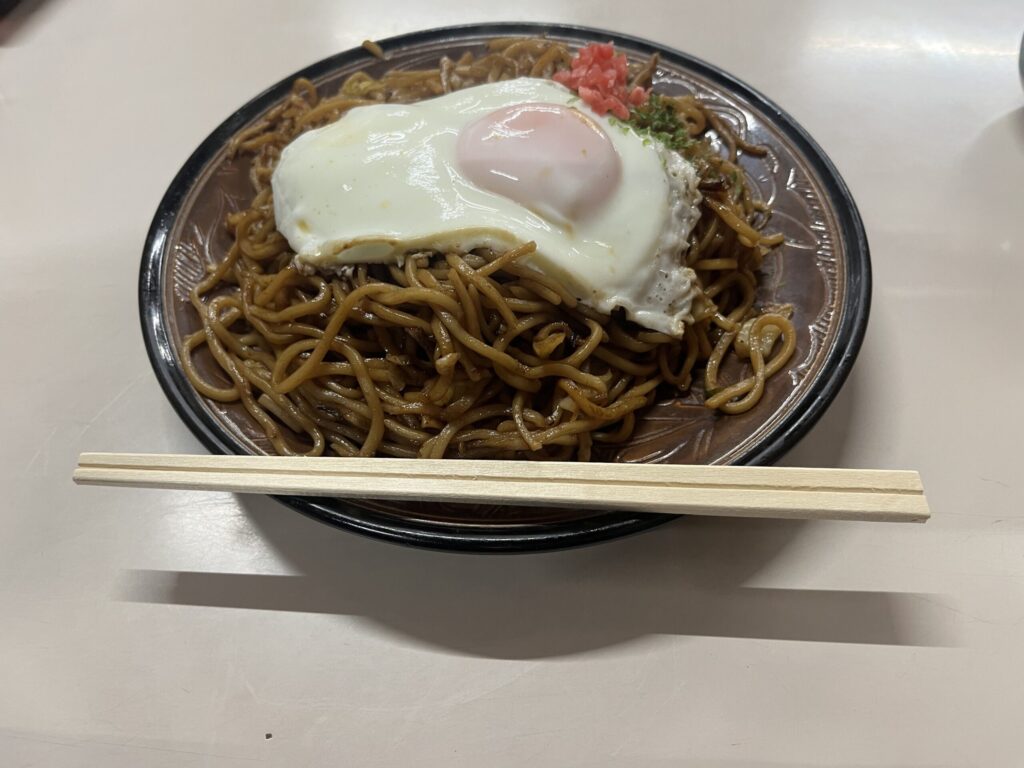
Then there were little things I’d find while walking: bread, sweets, dumplings and shops I’d tell myself I’d try next time.
That’s another reason I liked walking around Takayama hungry.
It gave me a purpose.
For a first visit, though, I’d still try some Hida beef.
Just don’t assume that’s the only thing worth eating here.
What About Shirakawa-go?
This came up constantly while I was working at the hotel.
International guests would ask how to get there, whether they needed to reserve the bus and where to buy tickets.
It was one of the things that made me realise how strongly Takayama and Shirakawa-go are connected in the minds of overseas travellers.
But I’m not going to turn this section into a Shirakawa-go guide just because people often combine the two.
This article is about Takayama.
If you’re planning both, treat Shirakawa-go as a separate trip and check current transport information when planning it.
Takayama in Winter

I lived there from early December until early March.
Apparently it was a relatively light snow season, but I still got to see the town turn white several times.
And personally, I thought Takayama looked better with snow.
The old streets became quieter-looking, gardens had yukitsuri supporting the trees, and the mountains surrounding the town looked much more imposing once they were covered in white.
After heavier snowfall, I’d see local people out clearing snow in the morning, and before long the pavements were walkable again.
I actually wanted more snow.
Easy for me to say when I wasn’t the one responsible for clearing it.
I’ll cover winter Takayama separately because there’s enough there for its own article.
Why Do So Many International Travellers Come Here?
This was something I’d wondered before moving to Takayama.
After working at a hotel full of international guests, it made more sense.
People repeatedly asked me about the old town, Hida beef, the morning market and Shirakawa-go.
But I think there’s another reason the town works well for travellers.
Takayama feels different from Japan’s big cities without being difficult.
You can walk through historic streets, eat local food, visit shrines and temples and see mountains around you — then still walk to a supermarket or convenience store when you need something ordinary.
That balance surprised me when I first arrived.
How Long Would I Spend in Takayama?
My old article told people to stay at least three nights.
Looking back, I think that’s too absolute.
I lived there for three months. That’s completely different from visiting as a traveller.
For a first visit, I’d think about what you actually want to do rather than chasing an arbitrary number of nights.
The central sights are compact enough that you can see quite a lot without spending days moving between them. If you’re adding Hida Folk Village, a slower walk through the Higashiyama area, Shirakawa-go or a trip towards Gero, then naturally you’ll want more time.
I’d rather spend two relaxed days in Takayama than race through ten places in one.
Would I Go Back?

Definitely.
When my three months ended, I was more upset about leaving than I’d expected.
I genuinely thought I could have stayed another month.
Part of that was the people I worked with, so I’m not going to pretend it was all because of the destination itself.
But I also wasn’t finished with Takayama.
If I went back now, I wouldn’t rush straight to a checklist of attractions.
I’d probably start walking.
Through the old town, along the Miyagawa, towards the morning market and then wherever I felt like going next.
I’d like to return in autumn too. I never saw the Takayama Festival while I lived there, and that’s something I’d like to change.
Before moving there, I thought Takayama might be an inconvenient town buried somewhere in the mountains.
Three months later, I’d describe it differently.
It’s a mountain town where life feels quiet without feeling inconvenient.
Maybe that’s why I kept walking.