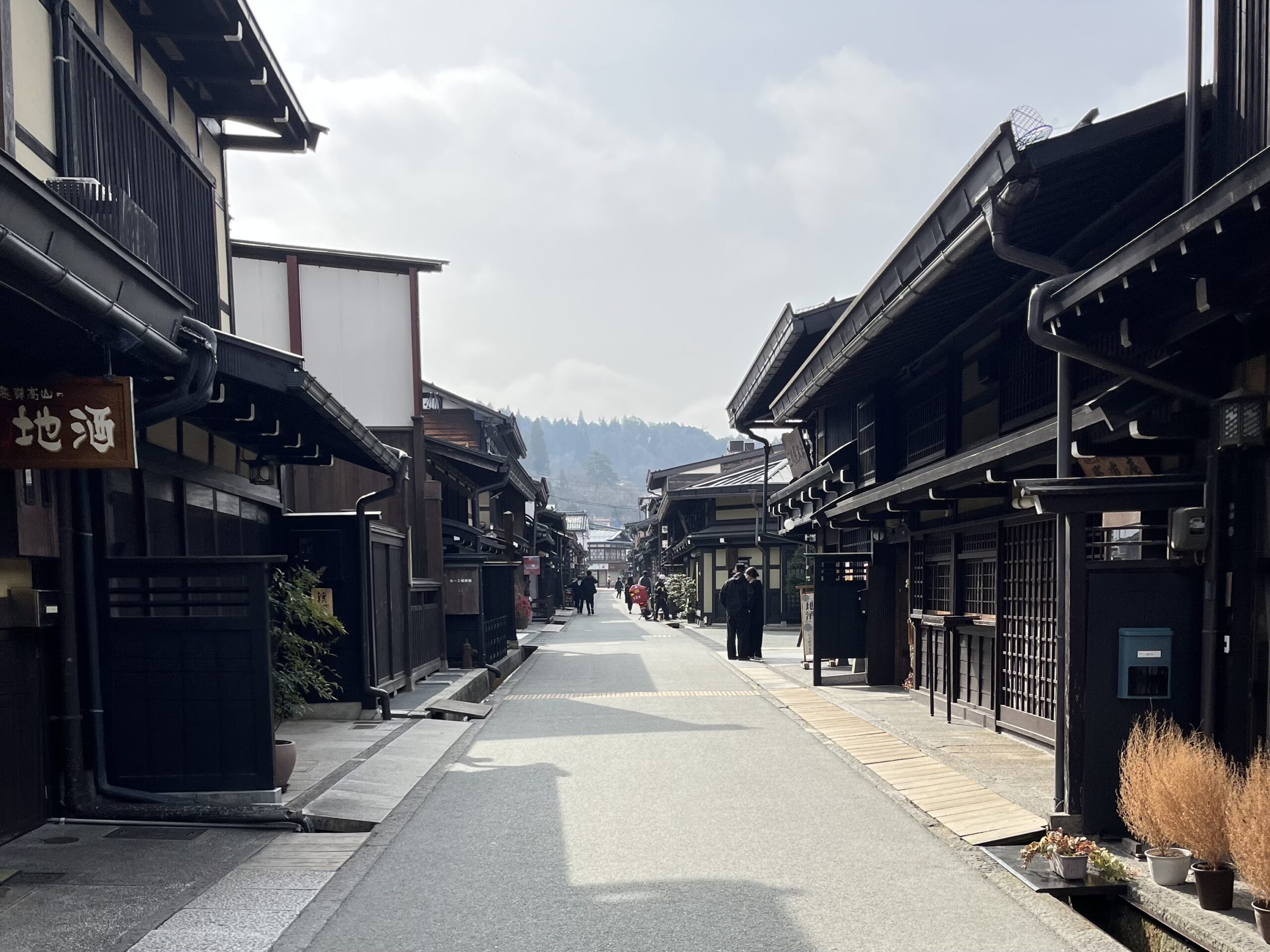
Before I went inside Takayama Jinya, I didn’t even know what jinya meant.
I knew there was an old building near Takayama’s Old Town, but that was about it. Then I read the information outside and learnt that this wasn’t simply another historic Japanese building. It had once been a government office used to administer Hida during the Edo period.
What really caught my attention was learning how rare it was. By the end of the Edo period, there were around 60 government offices of this kind across Japan. Takayama Jinya is the only one where the main buildings still remain today.
I remember thinking, Oh, so this is actually quite a special place.
That was enough to get me through the entrance.
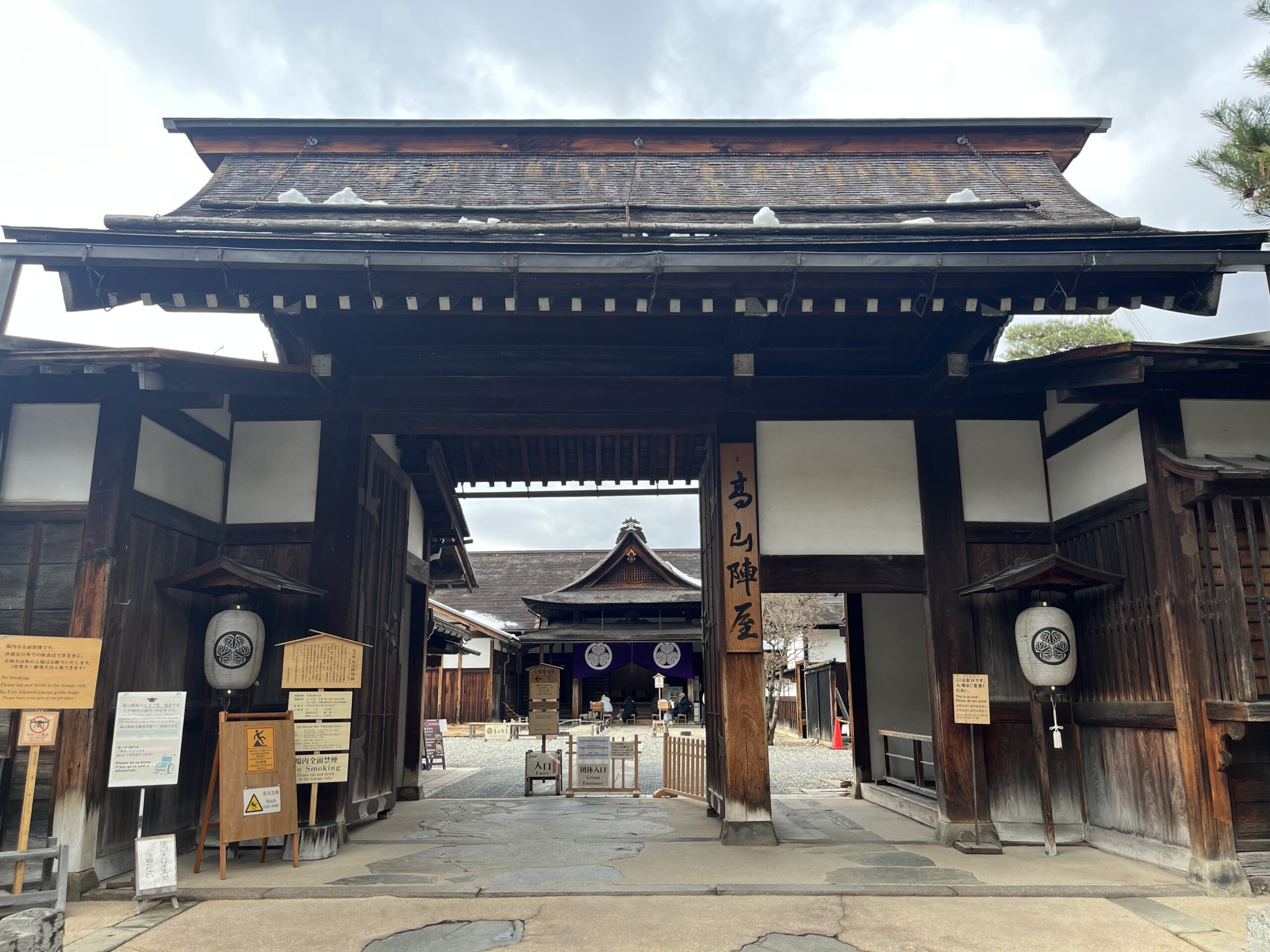
The entrance to Takayama Jinya. I knew almost nothing about the place before I went inside.
So, Is Takayama Jinya Worth Visiting?
I think it is, particularly if you’re interested in Japanese history or traditional Japanese buildings.
I wouldn’t travel to Takayama just for the Jinya. But if you’re already exploring the Old Town, it’s very easy to include, and you don’t need to spend half a day there.
I spent roughly an hour inside because I stopped to read about the different rooms. You could certainly see it more quickly.
What made it interesting to me wasn’t simply the age of the building. Once I understood that people had actually governed Hida from here, I started looking at the rooms differently.
This Was Basically an Edo-Period Government Office
Hida came under the direct control of the Tokugawa shogunate in 1692, and Takayama Jinya became an administrative base for the region. Officials here dealt with administration, policing and judicial matters.
That interested me for a personal reason: I used to work for a local government in Japan.
As I walked around, I found myself comparing this old government office with the sort of place I’d once worked in.
There were offices where government officials carried out administrative work, rooms used by scribes and spaces for receiving visitors. There was even a law court and interrogation room.
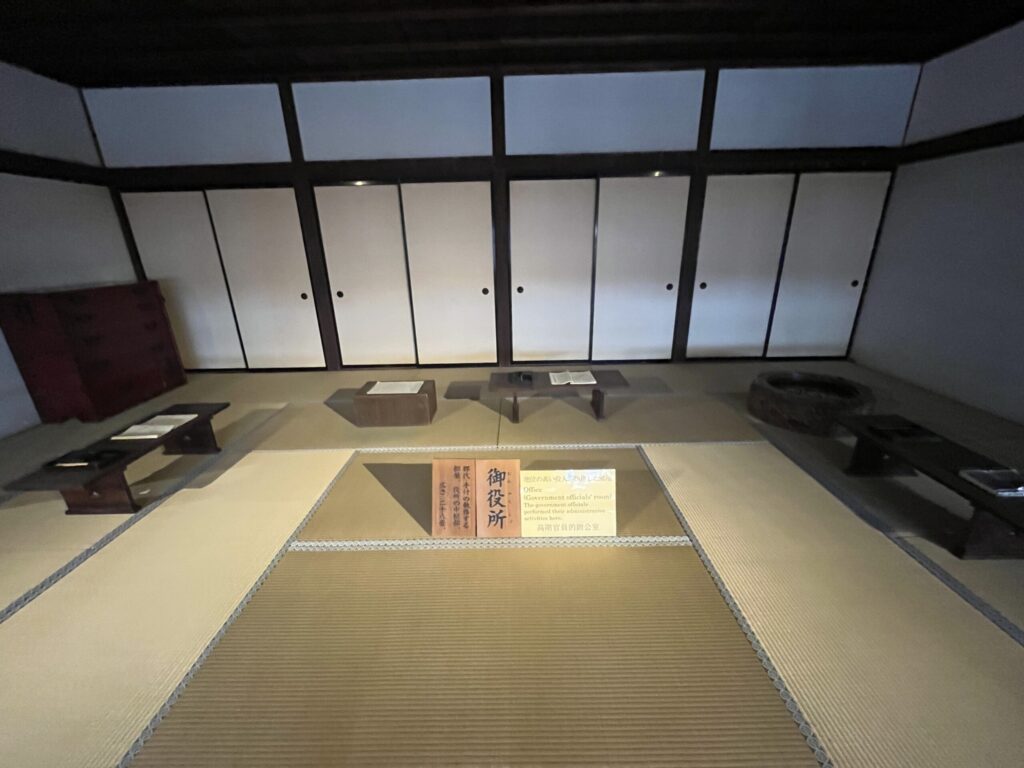
One of the government offices inside Takayama Jinya. Seeing rooms like this made it easier for me to imagine people actually working here.
Obviously, it looked nothing like a government office today. Instead of office desks, chairs and computers, I was looking at tatami floors, low tables, wooden beams and sliding doors.
But the work itself didn’t feel completely unfamiliar.
Officials dealt with documents. People came to the Jinya with things that needed dealing with. Taxes had to be collected and managed. Officials needed places to work and meet.
I hadn’t expected to find myself thinking about my old job while visiting a historic building in Takayama, but that was probably what made the Jinya particularly interesting to me.
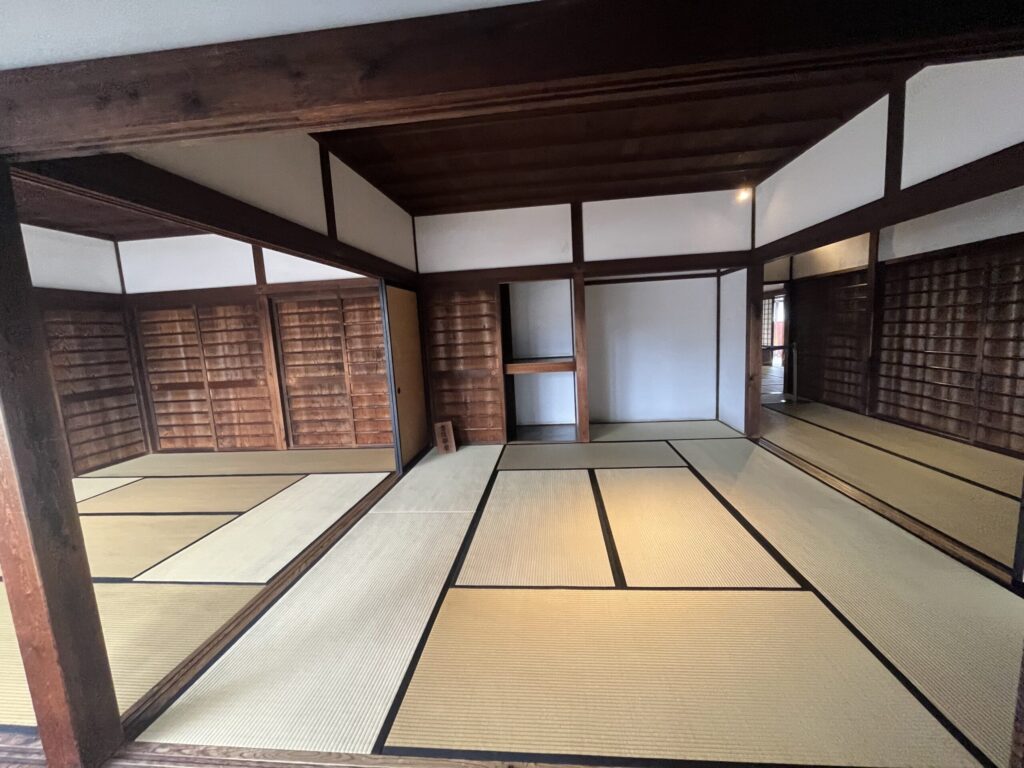
Once I understood that people had actually worked here as government officials, these tatami rooms became much more interesting to me.
Imagine Having a Meeting Here
One room that made all of this easier to picture was the Hiroma, a large space used for meetings and ceremonies.
The sliding doors could be removed to connect the rooms and create a much larger space.
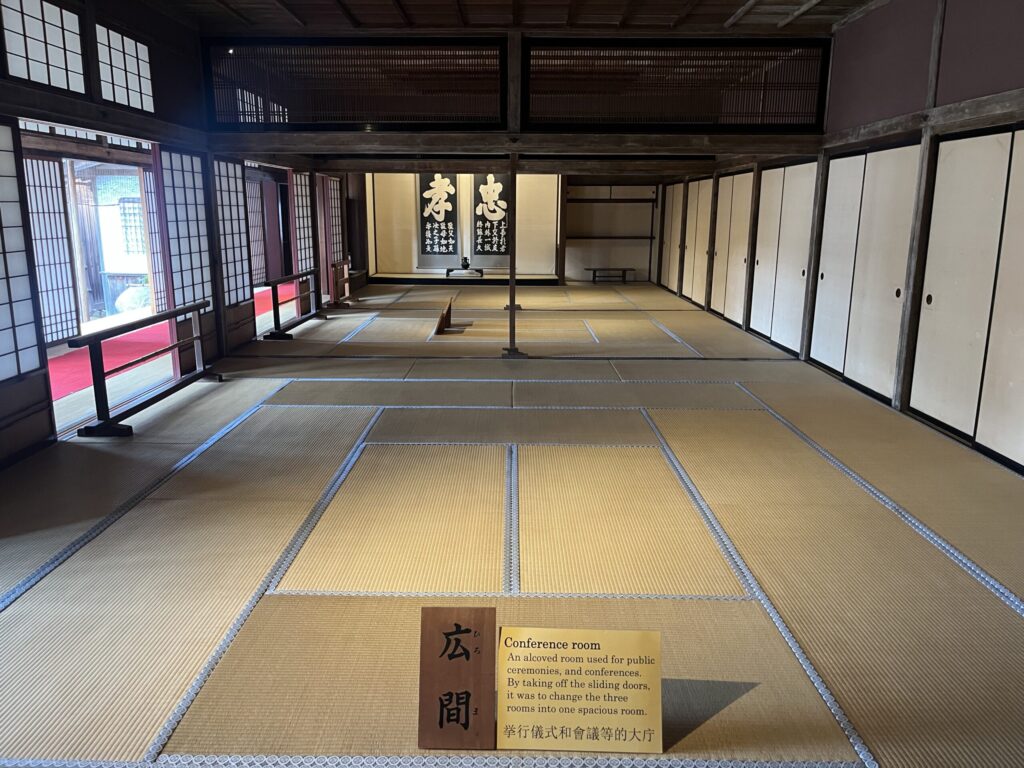
The Hiroma, a large room used for public ceremonies and conferences. The sliding doors could be removed to create one large space.
Standing there, I found myself imagining what it must have been like when the building was still being used as a government office.
That’s what I enjoyed about the Jinya. Once I knew what the rooms had been used for, it became easier to see the building as a workplace rather than simply an old Japanese house.
I Also Enjoyed the Building Itself
You don’t have to be interested in government administration to enjoy walking through the Jinya.
I liked the traditional wooden structure, the tatami rooms, sliding doors and engawa verandas looking out towards the garden.
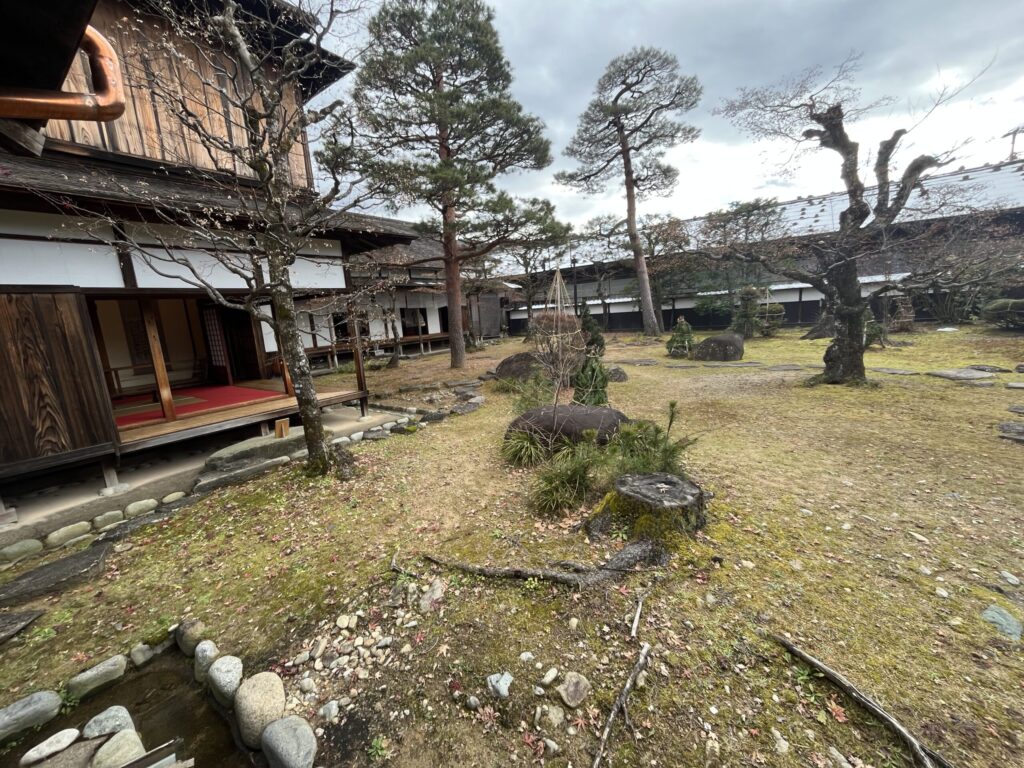
Looking out over the garden from the wooden building. I’ve always liked traditional Japanese houses with engawa verandas.
I’ve always liked buildings with engawa. There’s something relaxing about the way the rooms open towards the garden.
Looking at it, I thought it must have been lovely in warmer weather.
I visited in winter, though, and that was a different matter.
The Rice Storehouse Made the History More Concrete
Another part that stuck in my memory was the rice storehouse.
The Jinya consisted not only of offices and living quarters but also a storehouse where annual rice tax was kept.
Seeing the rice bales made something I’d mainly known from history books feel much more concrete. I remember looking at them and thinking, So this is what tax looked like back then.
You can read about taxation in a textbook, but standing in the actual place where the rice was stored made it much easier for me to picture how the system worked.
That was one of the things I liked about the Jinya. I didn’t need to know much about it beforehand. Walking through the building gave me enough context to start imagining how the place had actually functioned.
Visiting in Winter? Wear Decent Socks
One practical thing I wasn’t prepared for was how cold my feet got.
You have to take your shoes off before entering, and I visited during winter. After walking around the tatami and wooden floors for a while, I could definitely feel the cold.
Takayama Jinya isn’t heated, and they don’t lend out slippers during winter. The official website actually recommends bringing thick socks or indoor shoes if you’re worried about the cold.
So yes, enjoy the traditional Japanese architecture.
Just don’t do it in rubbish socks.
How Long Do You Need at Takayama Jinya?
I spent about an hour inside, although I was stopping to read about the rooms and what they had been used for.
The official visitor information gives around 30 minutes as a general guide, so I’d allow somewhere between 30 minutes and an hour depending on how much you want to stop and read.
Free English-language guided tours are also available and take around 30–40 minutes, although guide availability is limited.
The location makes it easy to fit into a day exploring central Takayama too. It’s around a 10-minute walk from Takayama Station and close to the Old Town.
Would I Go In?
Yes.
Before I went inside, I didn’t even know what jinya meant. I more or less thought it was just another old building in Takayama.
About an hour later, I’d seen the rooms where officials worked, spaces used for meetings and ceremonies, and the storehouse where rice collected as tax was kept.
Having worked in local government myself, I probably found the administrative side of it particularly interesting. It was strange to think that people had been dealing with documents, taxes and other government work in these tatami rooms hundreds of years ago.
But you don’t need that background to enjoy the place. Simply walking through the building gives you a much clearer idea of what an Edo-period government office actually looked like.
I went in knowing almost nothing about Takayama Jinya.
I came out understanding why it was worth going inside.
Practical Information
Takayama Jinya is around a 10-minute walk from Takayama Station. Adult admission is currently ¥500, while visitors aged 18 or under can enter free. Opening hours vary between April–October and November–March, so I’d check the official website before visiting rather than relying on an old blog post.
Takayama Jinya Official Website — English
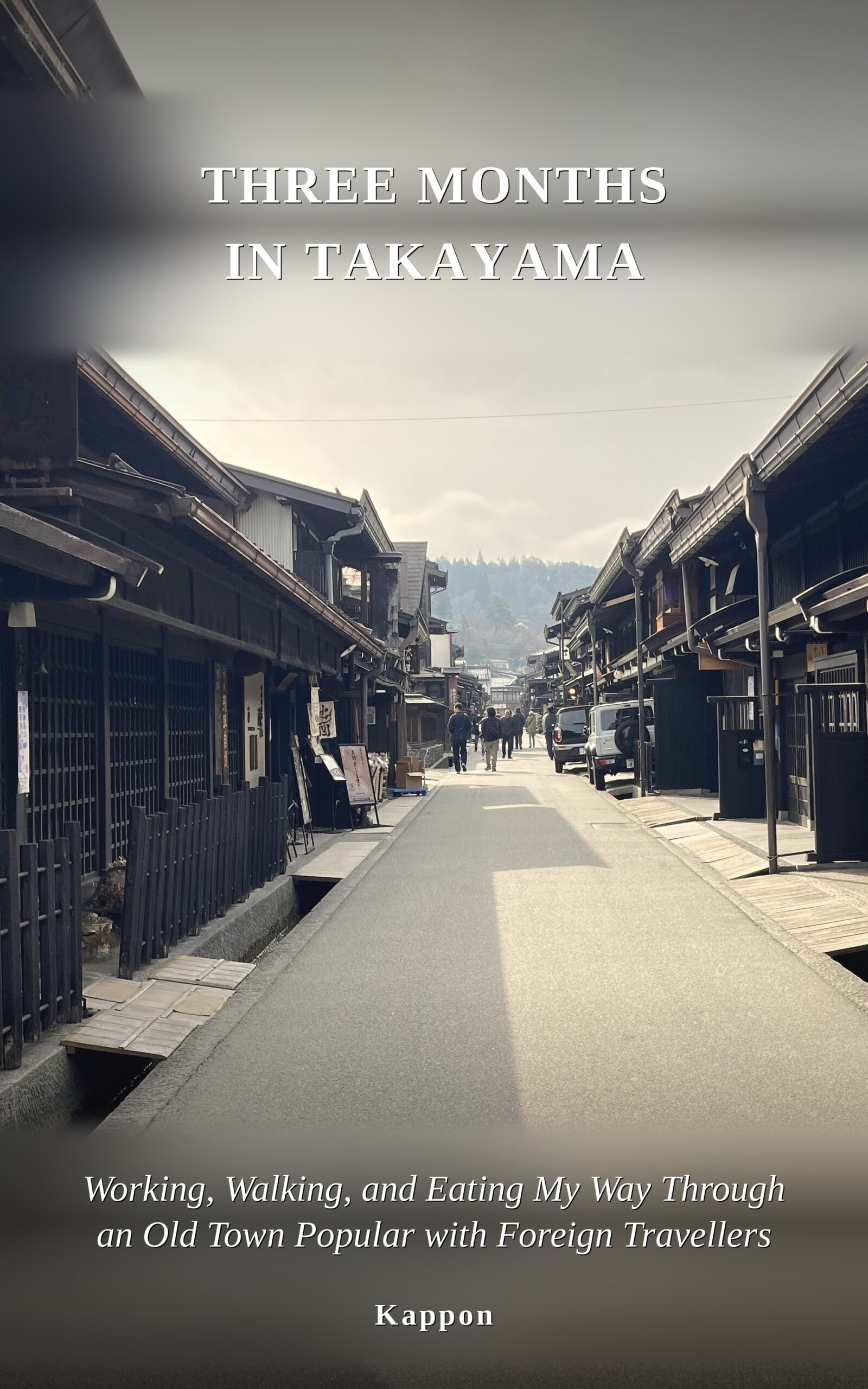
Want to read more about my time in Takayama?
I lived and worked in Takayama for three months, exploring the town and eating my way around it whenever I had time off. I ended up turning that experience into a short Kindle book, Three Months in Takayama.
Read Three Months in Takayama on Amazon →