If you’re planning a trip to Hakone, one of the first questions is probably:
How many days do I actually need?
You can visit Hakone as a day trip from Tokyo. Plenty of people do.
But would I?
Probably not.
After spending time travelling around Hakone myself, I’d choose two nights and three days if I had the time.
Not because you need three packed days to tick off attractions.
Quite the opposite.
I’d choose three days because Hakone is much better when you don’t have to keep checking the time.
You can explore Lake Ashi, visit Hakone Shrine, see Owakudani, spend some time around Gora and still get back to your ryokan early enough to actually enjoy the onsen, dinner and the accommodation you’ve paid for.
And if you have time left?
I’d head down towards Odawara rather than desperately searching for another attraction to squeeze into Hakone.
So here’s how I’d think about it.
Is One Day Enough for Hakone?
If a friend asked me:
“I’ve only got one day in Hakone. Is that enough?”
I’d say:
Not really — not if you want to experience Hakone without rushing from one place to the next.
A day trip is certainly possible.
The Limited Express Romancecar can connect Shinjuku with Hakone-Yumoto in roughly 80 minutes, so Hakone isn’t particularly difficult to reach from Tokyo.
The problem starts once you’re actually in Hakone.
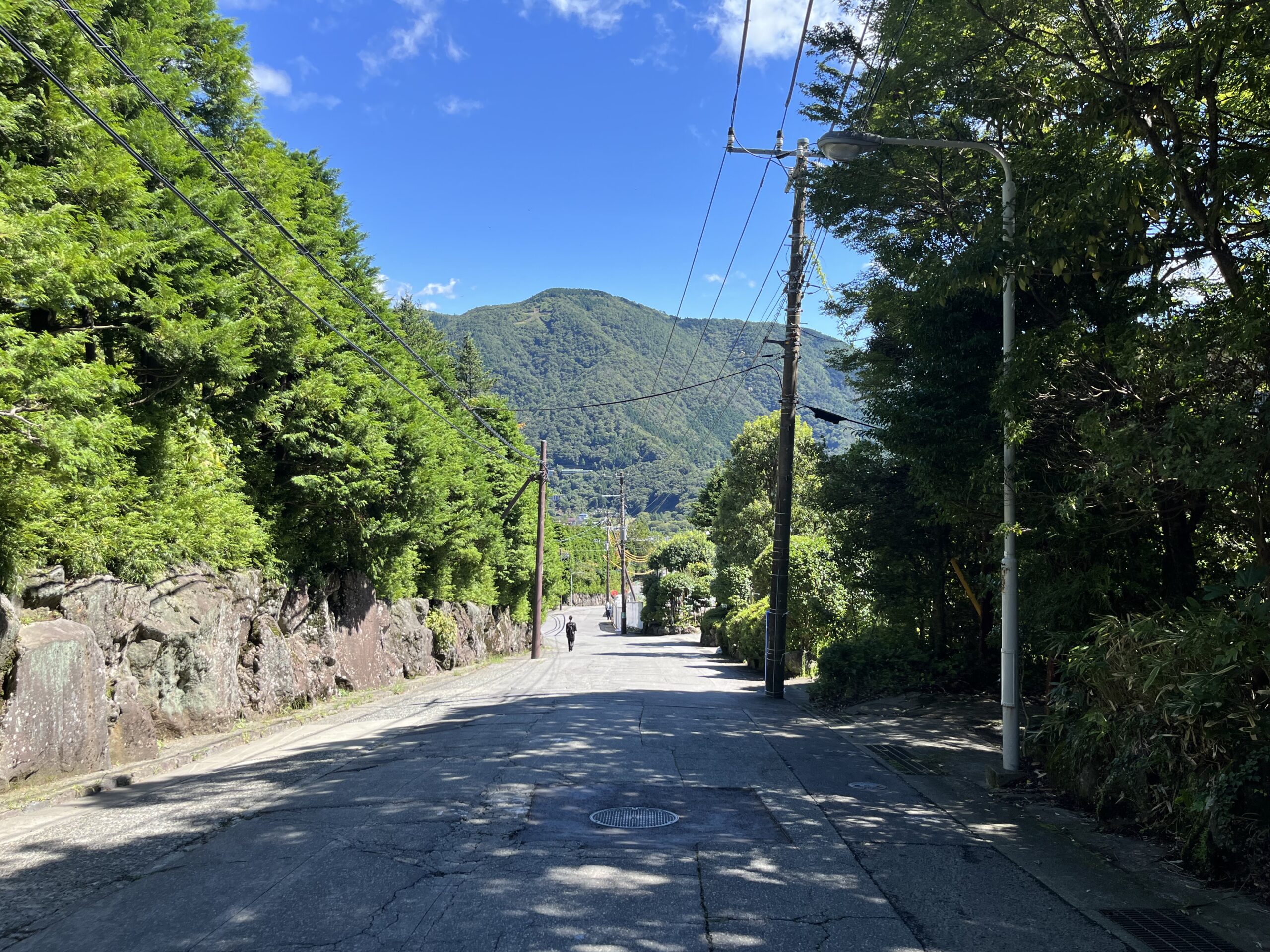
The attractions aren’t all clustered around one station. You’re moving through a mountainous area using trains, buses and other forms of transport.
As I explained in my Getting Around Hakone Without a Car guide, exploring Hakone by public transport is perfectly possible.
But possible and fast aren’t the same thing.
If you only have one day and want to visit several places, having a car gives you much more flexibility.
Without one, I’d resist the temptation to build an enormous itinerary.
If I Only Had One Day
I’d concentrate on something like:
Owakudani → Lake Ashi → Hakone Shrine
and treat anything else as a bonus.
If you particularly want to see Hakone-Yumoto, you could spend some time around the shopping street before heading back towards Tokyo.
But I wouldn’t try to see everything.
One enjoyable day at two or three places sounds much better to me than spending half the day thinking:
Right, we’ve got 27 minutes here and then we need to catch the next bus.
That’s not really how I’d want to experience Hakone.
What About One Night and Two Days?
Now we’re getting somewhere.
One night and two days is enough to have a proper Hakone trip.
You can see some of the major attractions, stay in an onsen ryokan and avoid turning the whole thing into a race.
It still feels slightly tight to me, though.
If I had one night, I’d probably do something like this.
Day 1 — Owakudani, Lake Ashi and Hakone Shrine
I’d stay around Hakone-Yumoto and head towards Owakudani first.
From there, I’d continue towards Lake Ashi and Hakone Shrine.
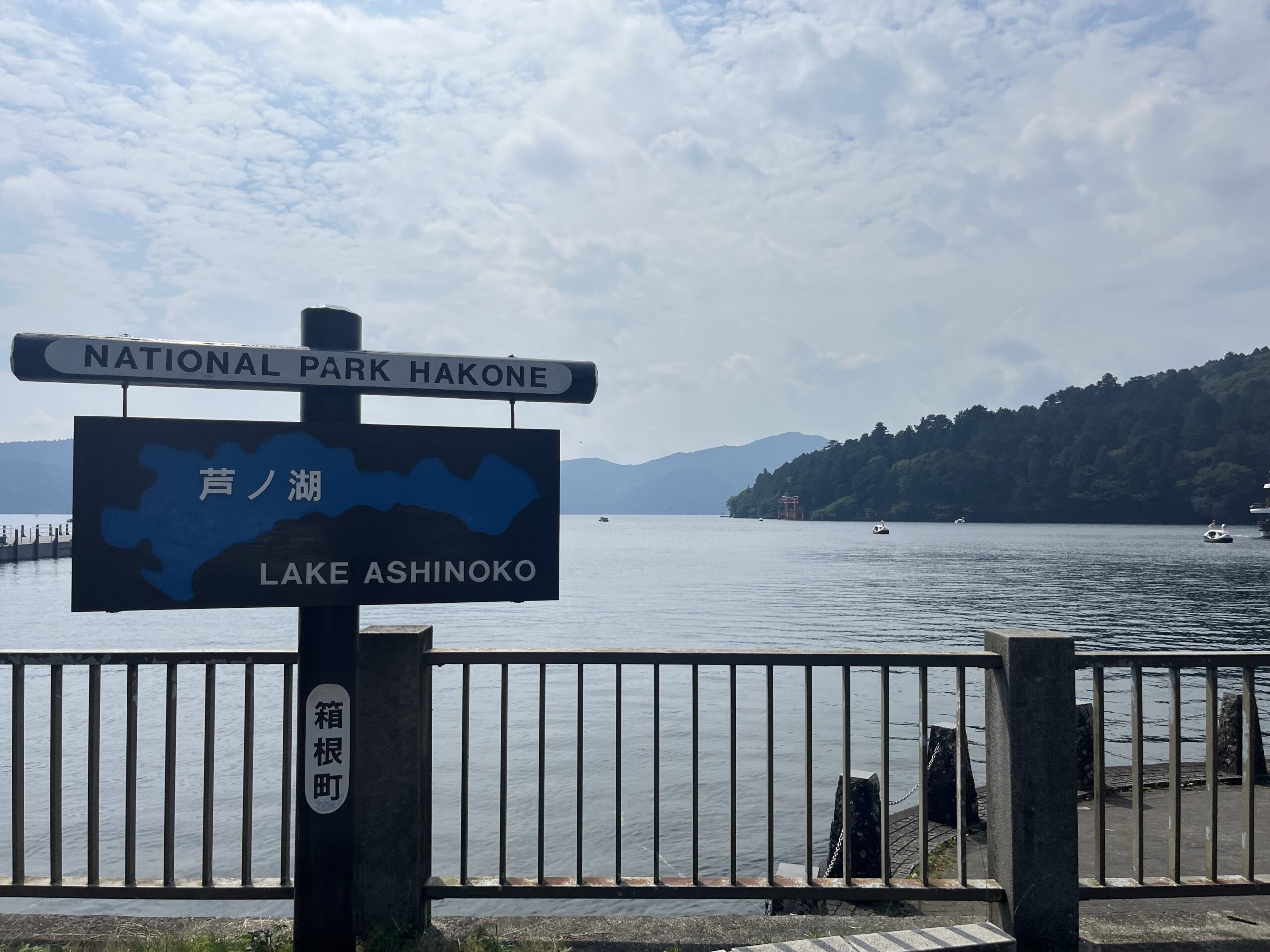
I’ve already walked the Motohakone → Hakone Shrine → Lake Ashi → Onshi-Hakone Park → Hakone Sekisho route myself, and you can cover quite a lot around the lake without needing an entire day.
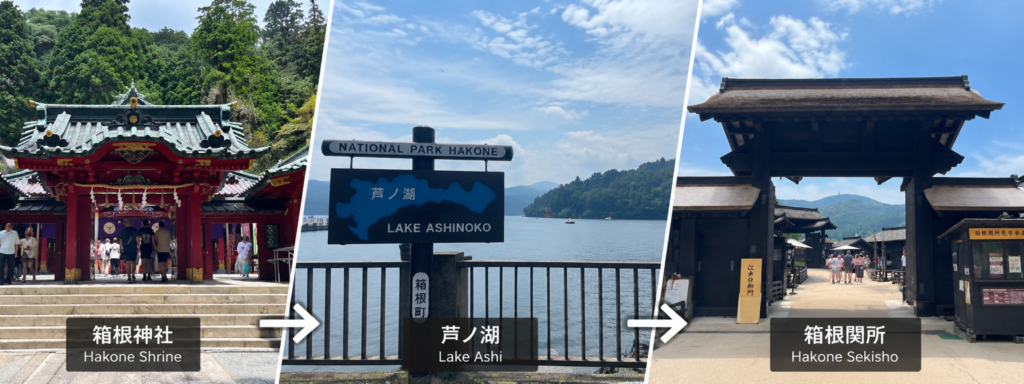
Hakone Shrine itself was actually smaller than I expected. I spent around 30–40 minutes there, although you could easily stay longer if you stop for something to eat or drink.
Hakone Sekisho also didn’t take me particularly long.
If you stop to study the exhibits properly, you’ll obviously spend longer than I did. But I wouldn’t automatically block out several hours for it.
By late afternoon, I’d return to Hakone-Yumoto.
I’d wander around the shopping street, pick up something to eat and then go back to the ryokan.
And then I’d stop sightseeing.
That’s important.
If you’ve paid to stay in a good Hakone ryokan, the accommodation is part of the trip.
Have dinner.
Use the onsen.
Do absolutely nothing for a while.
You don’t need to squeeze another attraction into every remaining hour.
Day 2 — You Have a Choice
This is where I’d decide what matters more to me.
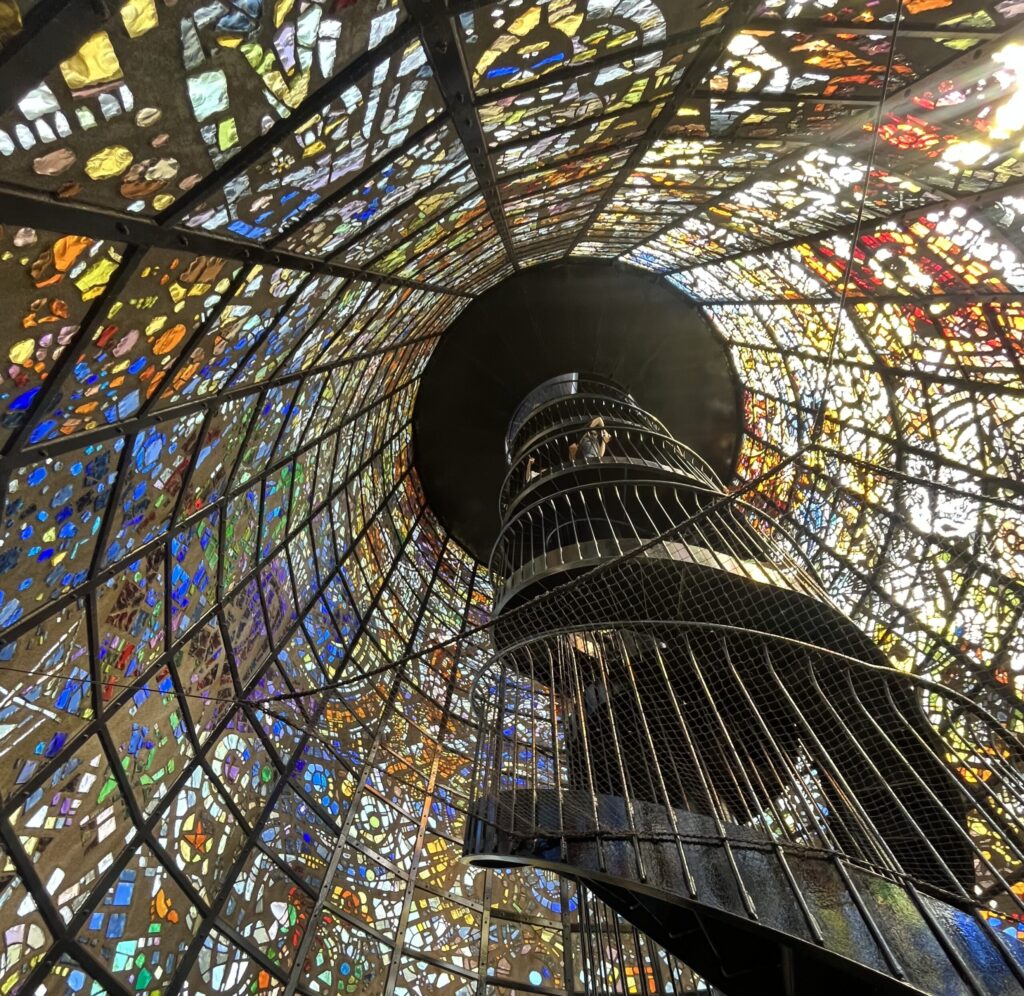
You could stay in Hakone and visit places such as The Hakone Open-Air Museum and the Gora area.
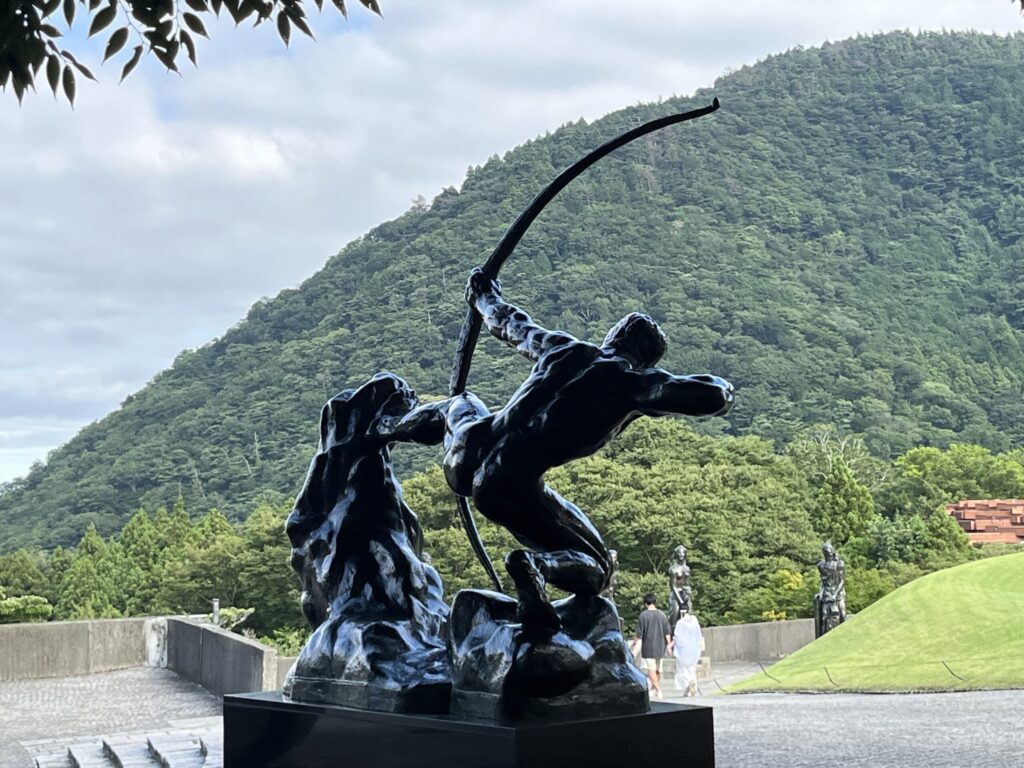
Or you could start heading towards Odawara.
Personally, I’d be very tempted by the second option.
I’d have lunch around Hakone-Yumoto and then head downhill towards Odawara.
I’d get off around Hakone-Itabashi and make my way towards Odawara Fishing Port, where I’ve previously had an excellent seafood lunch.
From there, I’d include Miyukinohama Beach, the kamaboko area and Odawara Castle before eventually reaching Odawara Station.
That gives you something quite different from the mountains and onsen of Hakone.
Why I’d Choose Two Nights and Three Days
This is my preferred option.
Two nights and three days is the sweet spot for me.
Again, that’s not because I think you need three full days to see Hakone’s tourist attractions.
You probably don’t.
It’s because two nights give you something more valuable:
time.
You don’t have to leave Lake Ashi because you’ve already decided you must be somewhere else in 40 minutes.
You don’t have to rush dinner because you arrived at your ryokan late.
And if the weather isn’t quite what you’d hoped for, you’ve got more room to adjust.
I’d roughly divide the trip like this:
Day 1 — Owakudani, Lake Ashi & Hakone Shrine
Start with some of Hakone’s most recognisable scenery.
Visit Owakudani, continue towards Lake Ashi and explore Hakone Shrine and the Motohakone area.
Then return to Hakone-Yumoto.
Walk around town for a while if you still have the energy, then spend the evening enjoying the ryokan.
Day 2 — Gora & the Open-Air Museum
I’d give the second day to another part of Hakone rather than trying to combine everything with Lake Ashi.
The Hakone Open-Air Museum is somewhere I’ve visited myself, and you could combine it with time around Gora.
Gora is also where you really start to appreciate just how steep Hakone can be.
If you’re planning to walk around here, particularly with luggage, read my Getting Around Hakone Without a Carguide first.
Your legs deserve advance warning.
Day 3 — Head Towards Odawara
I wouldn’t necessarily spend the third day searching for more places inside Hakone.
I’d gradually make my way towards Odawara instead.
Kazamatsuri, Suzuhiro Kamaboko no Sato, Odawara Fishing Port, Miyukinohama Beach and Odawara Castle can all give the final day a completely different character.
This also makes geographical sense for many travellers because Odawara is one of the principal rail gateways between Hakone and the wider region; Hakone-Yumoto itself connects back towards Odawara on the railway network.
For me, Hakone and Odawara don’t need to be treated as completely separate trips.
One leads very naturally into the other.
Visiting in Autumn With a Car? Consider Sengokuhara
There’s one seasonal variation I’d consider.
If I had a car and were visiting Hakone in autumn, Sengokuhara would be another candidate.
I haven’t personally visited the pampas grass fields yet, so I’m not going to pretend this is a first-hand recommendation.
But it makes sense as an optional addition to an autumn itinerary.
The Sengokuhara pampas grass fields are one of Hakone’s recognised autumn sights, with the grass changing through the season and generally attracting visitors from around September into November. There’s a walking path through the fields as well.
And you don’t actually need a car to get there — the official tourism information gives a bus journey of about 30 minutes from Hakone-Yumoto to Sengoku-kogen.
I’d simply be more inclined to add it when driving because a car gives you greater freedom to move between several spread-out places in a limited amount of time.
So think of Sengokuhara as an autumn alternative, not something everybody needs to squeeze into their Hakone itinerary.
Do You Need Three Nights in Hakone?
For me?
No.
If I were coming primarily to sightsee, I wouldn’t book three nights.
By that point, I think I’d probably end up with half a day — perhaps even a full day — when I wasn’t quite sure what I wanted to do next.
There is one major exception.
The ryokan itself.
Hakone has accommodation where staying at the property, eating the food, using the onsen and simply slowing down can be a large part of the reason for coming.
If that’s your kind of trip, three nights is a completely different proposition.
But if your main goal is sightseeing, two nights would be enough for me.
Don’t Forget the Weather
There’s another reason I prefer giving Hakone a little breathing room.
The weather matters here.
On a clear day, the mountains are covered in green, the scenery opens up and simply travelling through Hakone becomes part of the experience.
But clear weather doesn’t guarantee Mount Fuji.
I’ve been around Lake Ashi on a perfectly reasonable day and still couldn’t see it.
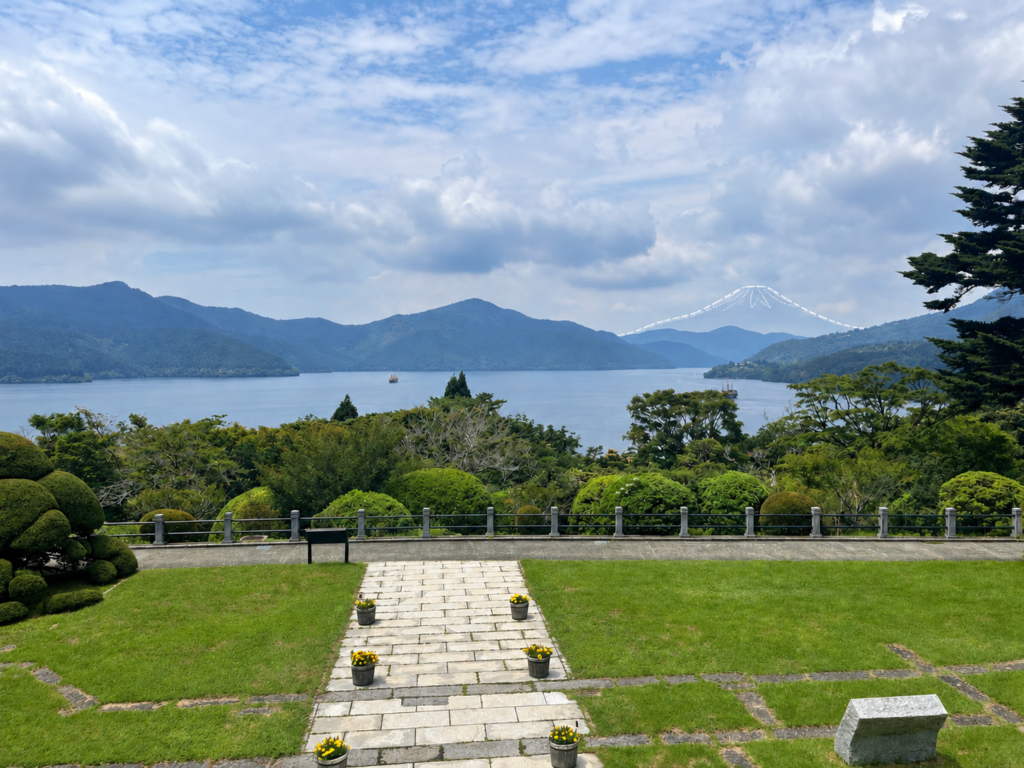
That’s fine.
Hakone doesn’t suddenly become pointless because Fuji-san has decided not to turn up.
The mountains, lake and forests are still beautiful.
Heavy rain and thick fog are different.
I’ve seen Gora when the fog becomes so dense that you can barely enjoy the surrounding mountain scenery at all.
On days like that, I generally don’t bother going sightseeing.
That’s another small advantage of staying longer: you have more flexibility.
Just don’t book two nights expecting that this somehow guarantees you a perfect view of Mount Fuji.
He doesn’t take reservations.
So, How Many Days Should You Spend in Hakone?
For me, the answer is:
Two nights and three days if you can.
Not because you need three days to race through a giant checklist.
Because you don’t need to race.
If you only have one day, go anyway — just choose what matters most and don’t try to see all of Hakone.
If you have one night, you can already have a very good trip. I’d prioritise Owakudani, Lake Ashi and Hakone Shrine, then make sure you actually leave some time for your ryokan.
And if you have two nights?
Slow down.
See another side of Hakone around Gora, enjoy the accommodation you’ve paid for and use some of your final day to explore Odawara.
That’s how I’d do it.